
Wearable technology for beginners can make gym sessions feel more organized, but you do not need a complicated device to make progress. A simple tracker can help you notice patterns in daily movement, workouts, sleep, and recovery. The best fitness tracker for the gym is the one that fits your phone, your budget, and the habits you want to build—not the one with the longest feature list.
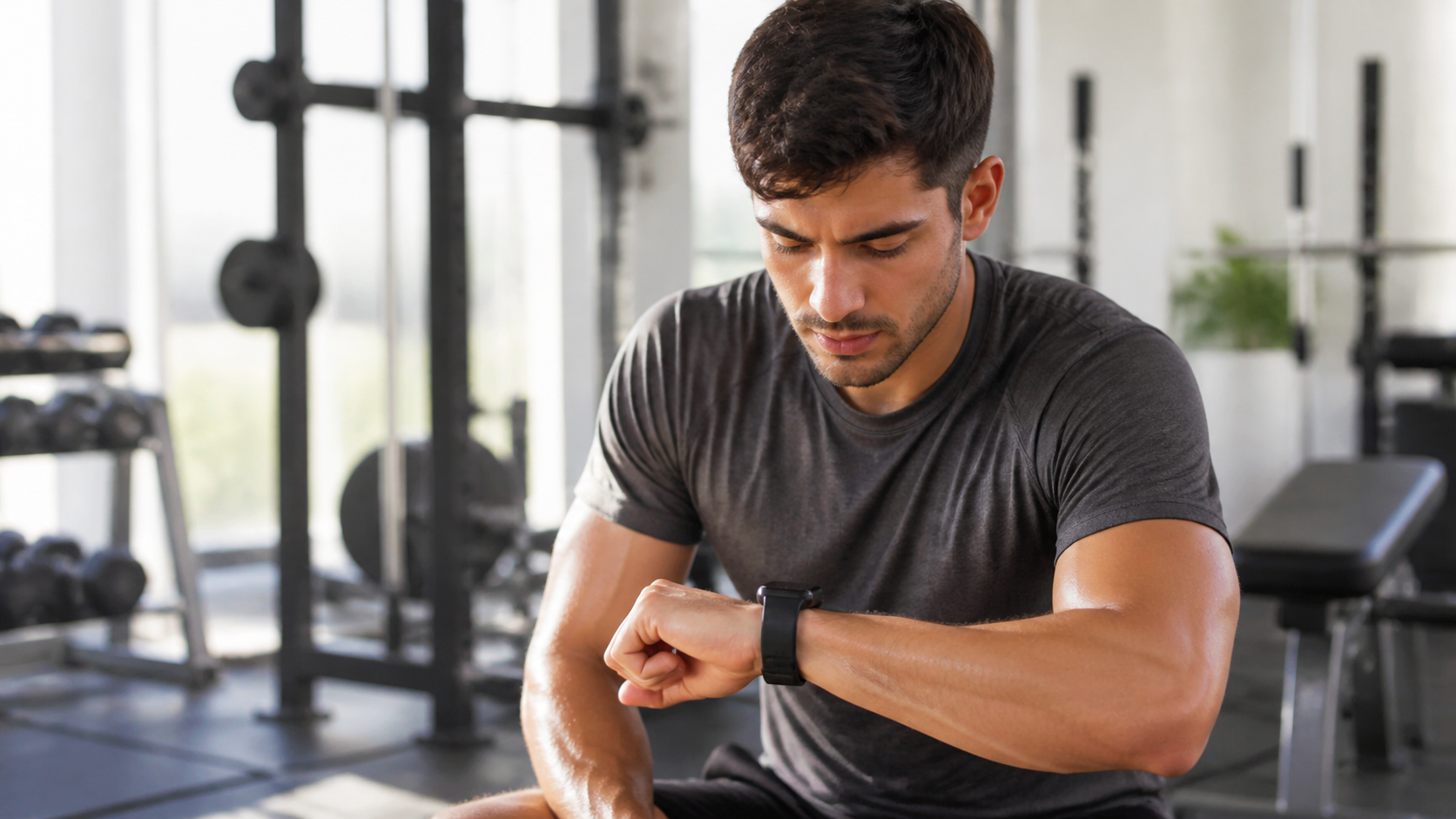
What wearable technology can do for beginners
A wearable is a watch, band, ring, or other small device that records activity data. Most beginner-friendly options can log steps, workout time, heart rate, and sleep. Some also use GPS for outdoor walks or runs, show notifications, provide training prompts, or connect with health and fitness apps.
The real value is not a single daily score. It is the ability to see whether you are showing up. If you planned two gym sessions this week, a tracker can help you record both. If you want to walk more, steps can show whether your routine is moving in the direction you expected. Treat the device as a notebook on your wrist, not a judge of your effort.
Start with the metrics that matter
For a gym beginner, four metrics are usually enough: workout duration, steps or general movement, heart rate during cardio, and sleep consistency. You may also enjoy tracking a walk, run, ride, or strength session. Calorie estimates can be interesting, but they are not exact and should not be used as permission to overeat or underfuel.
Choose one small goal. For example, track two strength workouts per week for a month, walk for 20 minutes on non-gym days, or keep a more consistent bedtime. A focused goal makes the data useful. Chasing every number at once can make fitness feel more stressful than helpful.
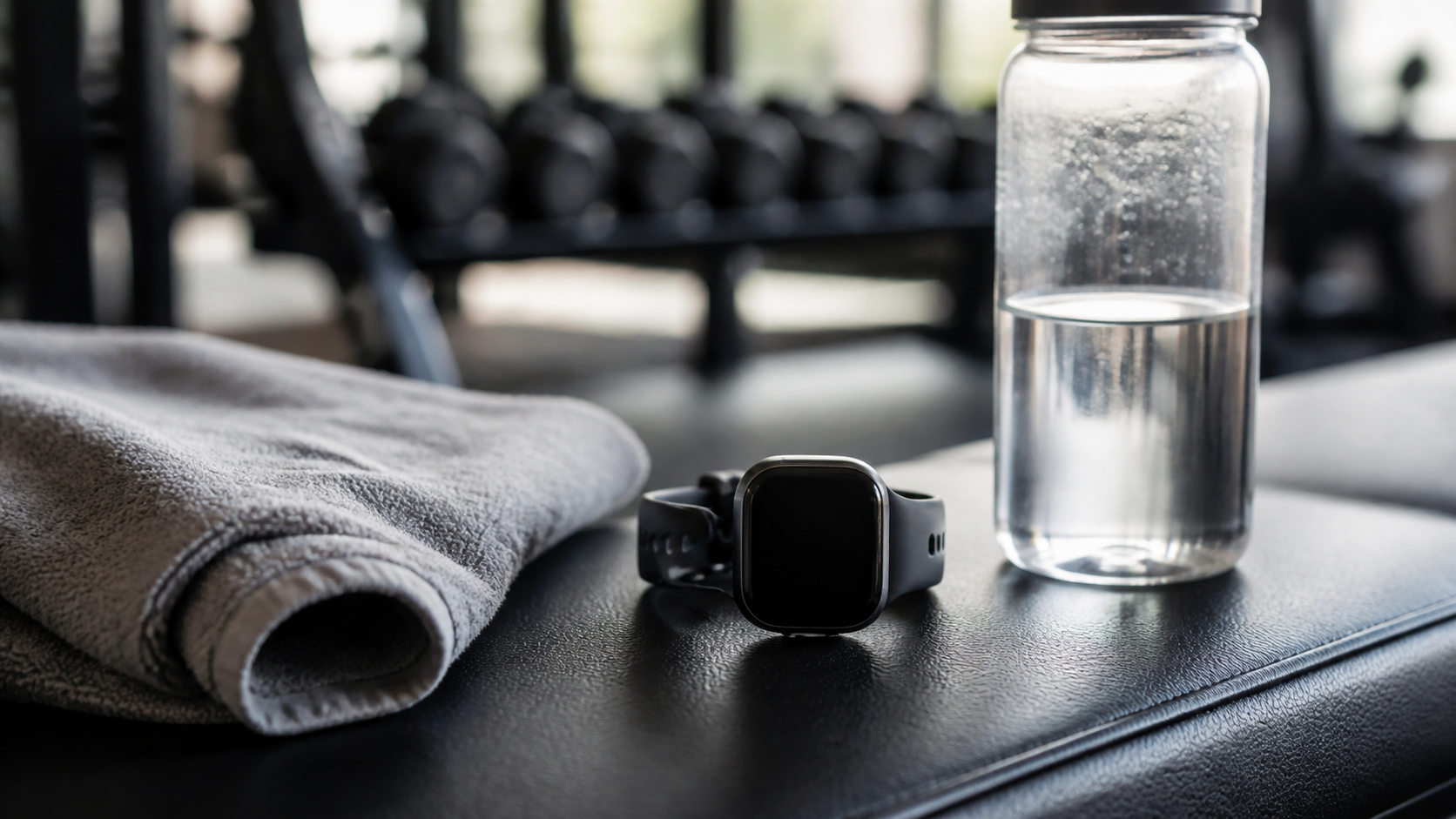
Fitness tracker, smartwatch, or sports watch?
A basic fitness tracker is usually the simplest choice. It is often lighter, less distracting, and designed around daily activity, sleep, and straightforward workout logging. A smartwatch adds a larger screen, phone notifications, apps, music controls, and more general everyday functions. A sports watch often puts more emphasis on training metrics, GPS, navigation, and endurance activities.
Pick the least complicated category that meets your needs. If you mainly want steps, gym-session records, and gentle reminders, a tracker may be enough. If you want calls, messages, music, and an app ecosystem alongside workouts, a smartwatch may fit better. If you run, cycle, hike, or train outdoors frequently, a sport-focused watch can be worth considering.
How leading brands compare
Fitbit: simple habit tracking
Fitbit is a practical starting point for people who want an approachable band-style tracker. Devices such as the Charge line have emphasized heart-rate tracking, activity, sleep, and GPS-related workout features. Fitbit can be a good fit when your goal is to build basics such as regular walks, consistent gym visits, and better awareness of daily movement. Before buying, compare the current model, phone compatibility, and any optional subscription features.
Apple Watch: best for iPhone users who want a smartwatch
Apple Watch is most compelling for people who already use an iPhone and want fitness features inside a broader smartwatch experience. Apple highlights activity rings, workout tracking, heart-rate zones, and a wide range of workout types. The SE line is positioned as a lower-cost entry point, while the main Series and Ultra lines add more features. Battery habits, model differences, and regional feature availability matter, so check the exact current model before buying.
Samsung Galaxy Watch: best for Android users who want apps
Samsung Galaxy Watch models combine Samsung Health features with a smartwatch-style app experience. Samsung presents Galaxy Watch as an option for tracking daily activity, workouts, heart-rate zones, and sleep-related data, with certain benefits strongest in the Galaxy phone ecosystem. It can suit Android users who want more than a simple band. Check compatibility and compare the current Watch model with a lighter tracker if you do not need calls or apps.
Garmin: best for training depth and outdoor activity
Garmin is often a stronger match for people who enjoy outdoor walking, running, cycling, hiking, or structured training. Its Venu and Forerunner families offer different mixes of lifestyle, sport, GPS, and coaching features. For a pure gym beginner, Garmin may provide more detail than necessary. But it can be a good long-term choice if you expect to develop a regular running or outdoor routine.

Detailed fitness tracker comparison
| Brand direction | Best for | Standout strengths | Typical U.S. price range* | Consider before buying | Beginner match |
|---|---|---|---|---|---|
| Fitbit | Simple daily habit tracking | Steps, activity, heart-rate and sleep-focused tools in a lightweight tracker style | $160–$250 | Compare current model features, GPS needs, phone compatibility and optional subscriptions | Great for simple goals |
| Apple Watch | iPhone users who also want smartwatch tools | Workout variety, activity rings, heart-rate zones, notifications and app ecosystem | $250–$800 | Requires iPhone; compare battery routine, current model features and regional availability | Best iPhone pairing |
| Samsung Galaxy Watch | Android users who want health and app features | Workout tracking, heart-rate zones, daily activity and Samsung Health features | $250–$460 | Check Android and Galaxy-phone compatibility, current model features and charging habits | Best Android ecosystem |
| Garmin | Outdoor walkers, runners and cyclists | Sport-specific data, GPS options and training depth across different product families | $250–$600 | May be more complex than needed for basic gym habits; compare lifestyle and sport lines | Best for outdoor progress |
*Approximate U.S. list-price ranges as of August 2026. Sales, trade-ins, cellular versions, subscriptions, retailer pricing, and specific models can change the final price.
Quick choice: choose Fitbit for simple habit tracking, Apple Watch for iPhone-centered fitness and smartwatch use, Galaxy Watch for Android-centered fitness tools, or Garmin when outdoor and sport data matter most.
Five buying questions to ask
1. Does it work well with my phone? This is the first filter. Health data, notifications, apps, and updates depend on compatibility.
2. Can I wear it comfortably? A tracker only helps when you wear it. Think about band material, size, sleep comfort, and whether a large watch will bother you during lifting.
3. What will I actually track? If the answer is steps and two gym sessions, do not pay for features intended for ultramarathons or navigation.
4. How often will I charge it? A device with more features may need more frequent charging. Pick a charging routine you can maintain.
5. What does it cost over time? Look beyond the device price. Check accessories, optional subscriptions, replacements, and return policies.
How to use a tracker during gym workouts
Start the workout mode that most closely matches your activity, but do not worry if it is imperfect. For strength training, use the device to record time and general effort, while you record exercises, sets, and weights in a notes app. For treadmill walking or cardio, use the heart-rate display as feedback, not as a command to push too hard.
Keep the watch band snug but comfortable. Sweat, movement, and a loose fit can affect readings. If a reading looks surprising, pause and check how you feel rather than assuming the number is correct. Consumer trackers are useful tools, not diagnostic medical devices.
Do not let data replace common sense
Rest when you are unwell, injured, unusually fatigued, or experiencing concerning symptoms. A readiness score or calorie estimate cannot diagnose a problem. If you have a heart condition, are taking medication that affects heart rate, are pregnant, or have health concerns, ask a qualified healthcare professional how to use activity data safely.
Beginner tracker plan for the first month
Week one: wear the device and observe your usual activity without changing anything. Week two: schedule two gym sessions and record them. Week three: add a realistic movement goal, such as a short walk on three days. Week four: review the month. Look for one positive pattern, such as more consistent workouts or sleep, and one small improvement to try next month.
Common mistakes to avoid
Do not buy a wearable simply because a friend uses it. Their phone, training style, budget, and interest in data may be different from yours. Avoid changing your whole program because a device suggests a harder day or displays a score you do not understand. The device should support a plan you have chosen, such as two weekly gym sessions and regular walks.
Another common mistake is comparing your numbers with someone else’s. Heart rate, step count, pace, sleep, and calories are personal data points. Use trends in your own history instead. If your walking routine feels easier than it did last month, or you are completing more planned gym sessions, that is meaningful progress.
Privacy and notifications matter too
Before setting up a tracker, look at its privacy settings and decide what you want shared with friends, apps, or social features. You can often turn off notifications that interrupt workouts or make you check your wrist constantly. A simple setup with only useful reminders can keep the device helpful instead of distracting.
Finally, give yourself permission to take it off. Some people enjoy wearing a tracker all day; others prefer it only for workouts. Either approach is fine. The right device routine is one that supports your confidence and does not make health feel like a nonstop test.
Final takeaway
Wearable technology can be helpful when it makes fitness more visible and manageable. Fitbit is a sensible direction for simple habit tracking; Apple Watch suits iPhone users who want a smartwatch; Samsung Galaxy Watch is a strong Android ecosystem option; and Garmin is attractive for people who expect to train outdoors or want deeper sport data. Choose the simplest device that supports your real routine, then let consistency—not the screen—lead your progress.
A tracker works best when paired with patience, curiosity, and realistic goals.
Product features change often. Confirm current specifications, compatibility, prices, and regional availability directly with the manufacturer before purchasing. This article is general education, not medical advice.
Keep learning: how to interpret fitness tracker recovery scores and smart fitness ring comparison offer practical next steps on this topic.
Leave a Reply