
Deciding what to wear to the gym for the first time does not need to be stressful. The best first-gym outfit is one that lets you bend, reach, walk, and use equipment without constant adjustment. You do not need expensive matching clothes or specialized gear. Start with comfortable basics, check your gym’s rules, and make small changes after you learn what your workouts actually require.
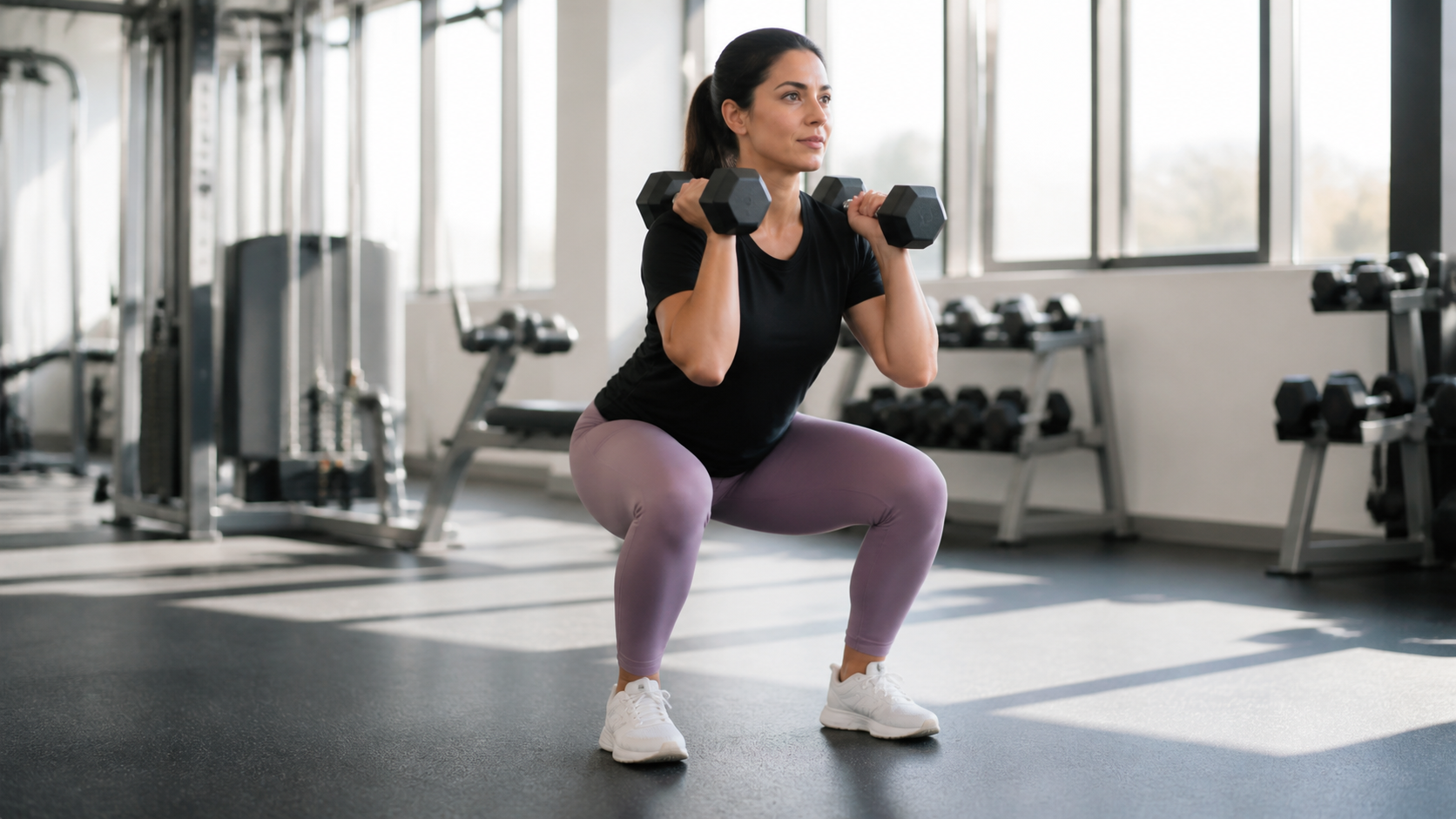
A simple first-day gym outfit
For most beginner sessions, this combination works well:
- A breathable T-shirt, tank, or long-sleeve athletic top
- Shorts, leggings, or joggers that stay in place when you squat and reach
- Clean athletic shoes that feel secure
- Comfortable socks that do not slide or bunch
- A light sweatshirt or jacket for before and after training
At home, do a quick movement test before leaving. Reach both arms overhead, sit on a chair, take a long step, and perform a few comfortable bodyweight squats. If the clothing pulls, becomes see-through, rides up, or needs repeated adjustment, choose another item.
Choose clothes that move with you
Both athletic fabrics and lightweight everyday basics can work. Look for material that feels comfortable once you become warm and sweaty. A slightly fitted top is less likely to catch on handles, while bottoms with a secure waistband can make machine setup easier. Avoid extremely loose sleeves, long drawstrings, dangling jewelry, and anything else that could contact moving equipment.
If you want more coverage, try a longer top, relaxed joggers, a lightweight layer, or clothing designed for modest training. If you need breast support, choose a sports bra that feels secure without restricting normal breathing. Comfort is personal; the useful test is whether you can focus on the exercise instead of the outfit.
Start with the shoes you already own
Clean, comfortable athletic shoes are a practical choice for walking, cardio machines, selectorized strength machines, and introductory workouts. You do not need weightlifting shoes for your first visit. Make sure the heel does not slip and that your toes are not crowded.
Different activities may eventually call for different footwear. Soft running shoes are designed for forward movement and may feel less stable during heavier strength exercises. A flatter, firmer shoe can feel steadier for lifting. For a mixed beginner workout, however, use a comfortable pair you trust and reconsider only when your training becomes more specific.
Check the gym’s dress code
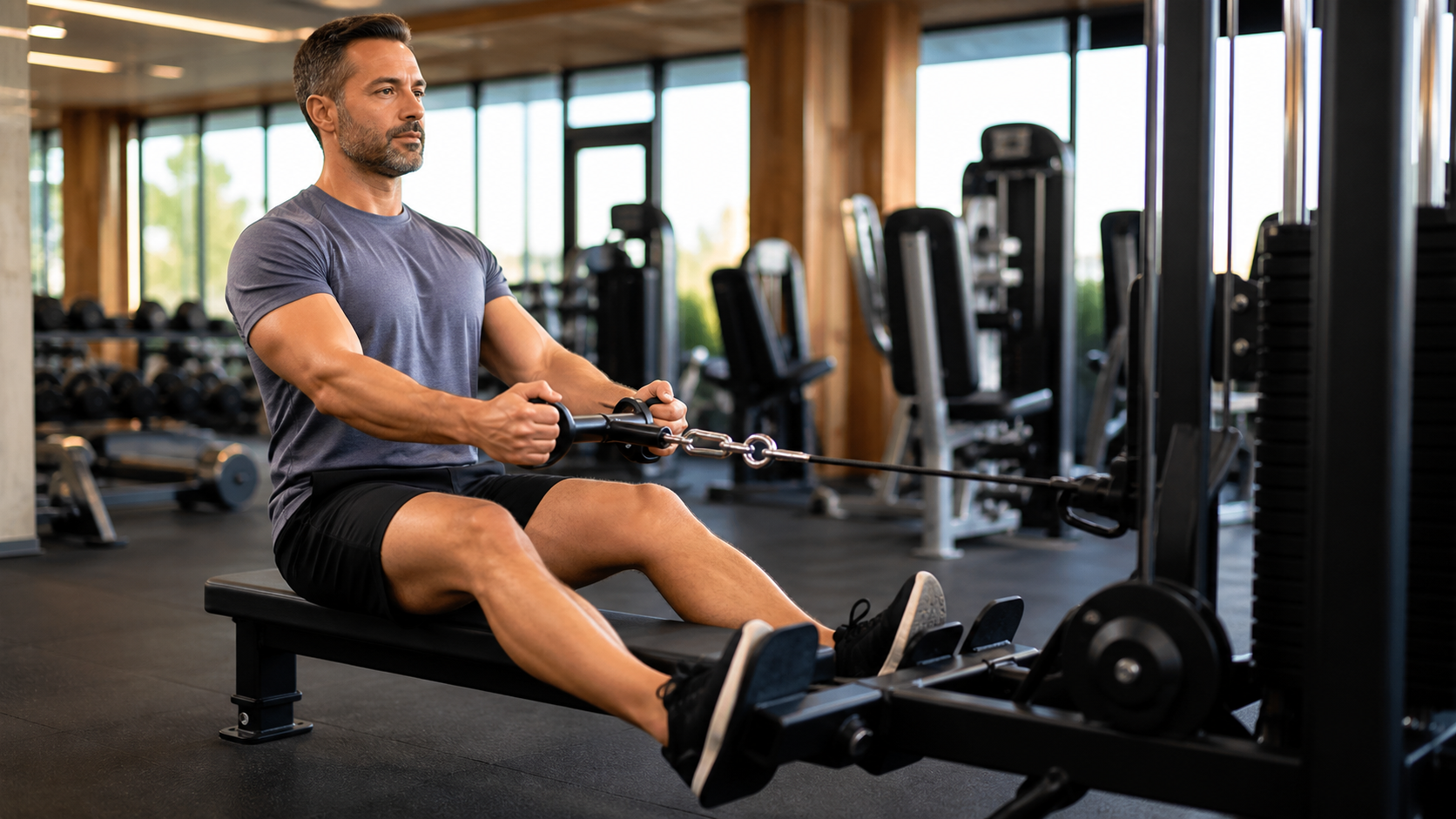
Rules vary. Some gyms require closed-toe shoes, prohibit jeans or open sandals, or have policies about bare midriffs, string tank tops, logos, or chalk. Look at the gym’s website or membership agreement before your first visit. When in doubt, a T-shirt, athletic bottoms, and closed-toe shoes are a safe, simple starting combination.
What to pack with your outfit
Bring water, a small towel if the gym requests one, a lock for the locker room, and headphones if they help you focus. Add a dry shirt and basic toiletries if you will go directly to work, class, or another appointment. Keep the list short enough that packing never becomes a reason to skip the gym.
Common first-time clothing mistakes
- Wearing a brand-new outfit without testing it: seams, waistbands, and shoes can feel different once you move.
- Choosing style over function: if you cannot squat, reach, or sit comfortably, the outfit is not helping.
- Overpacking: beginners rarely need belts, straps, gloves, or multiple outfit changes.
- Ignoring temperature: a light layer helps in a cool gym and is easy to remove after warming up.
- Forgetting laundry: place used clothes in a separate bag and let shoes dry between sessions.
First-gym outfit checklist
- Can I raise my arms without the top restricting me?
- Can I sit and squat without the bottoms sliding or pinching?
- Do my shoes feel stable and secure?
- Does the outfit follow the gym’s rules?
- Can I forget about the clothes once the workout begins?
Frequently asked questions
Can I wear cotton to the gym?
Yes. Cotton can be comfortable for a light or short workout, although it tends to hold moisture. If that bothers you, try a lightweight moisture-wicking top.
Can I wear leggings or sweatpants?
Either can work. Choose a pair that provides the coverage, temperature, and range of motion you prefer and that complies with the gym’s dress code.
Do I need gym gloves?
No. Gloves are optional. Begin without them, then decide later whether grip comfort is a real issue for your workouts.
What if I feel self-conscious?
Choose familiar clothes, arrive with a simple workout plan, and remember that most people are focused on their own training. Confidence usually grows through repeated visits, not through finding a perfect outfit.
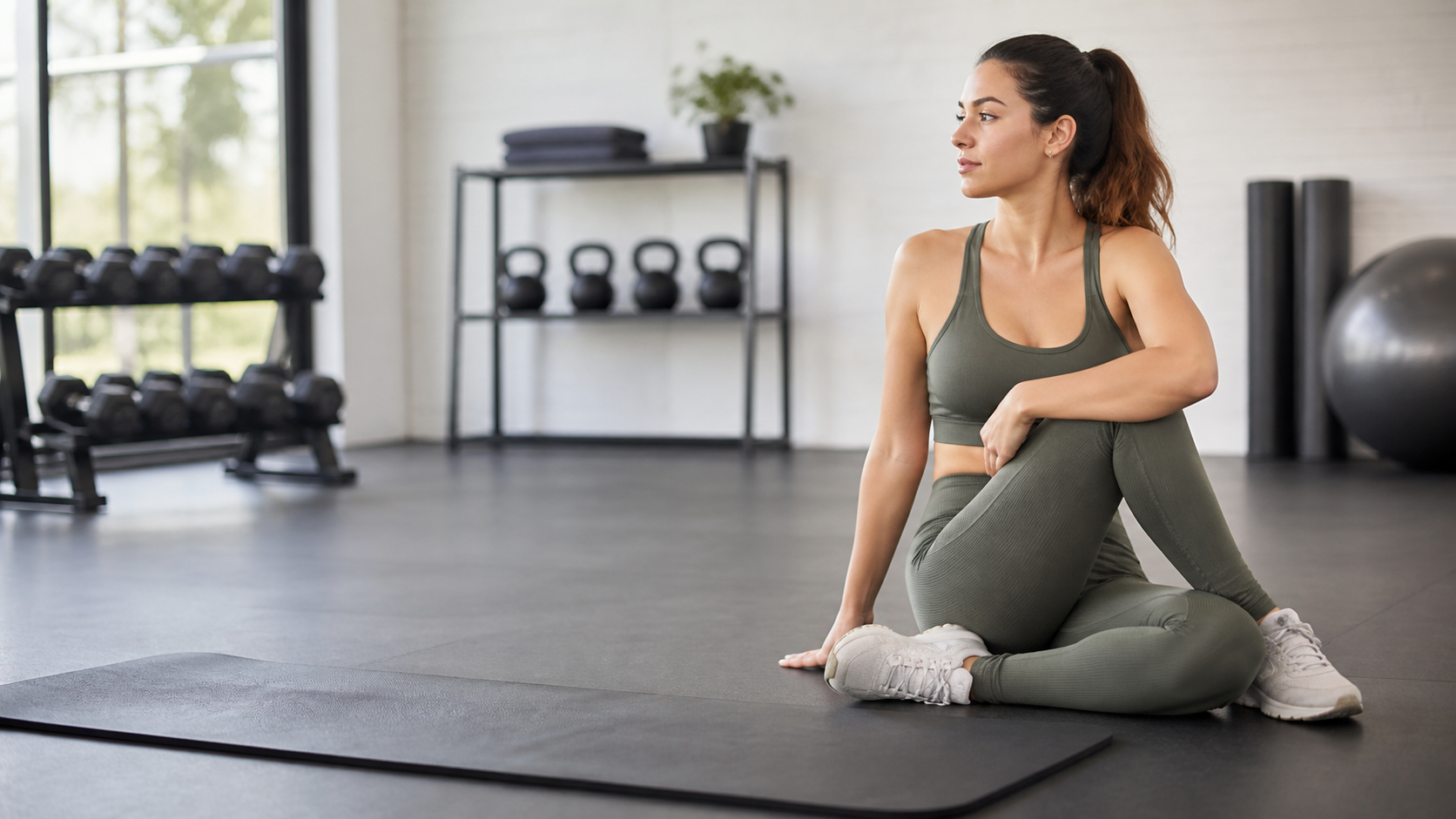
This article provides general fitness education. Choose clothing and footwear appropriate for your activity, follow facility rules, and ask qualified gym staff for individual guidance when needed.
The beginner gym-outfit test
Brand names do not make an outfit gym-ready. Use three practical checks before leaving home.
Squat, reach and bend without constant adjusting.
Choose stable, activity-appropriate shoes and comfortable layers.
Bring water and one backup item only when it solves a real problem.
Continue with a beginner-friendly next step
- Use the complete gym-bag checklist
- Follow the first-day gym checklist
- Choose a simple beginner routine
How this was prepared: GymTopper created this practical decision guide for beginner use and checked the general recommendations against CDC guidance on getting started with activity. Read our editorial policy. General education only; adjust training to your ability and seek qualified guidance when needed.
Leave a Reply