
Starting at the gym can feel complicated when every machine looks unfamiliar and every person seems to have a different plan. The good news is that a gym workout routine for beginners does not need to be complicated to work. Your first goal is to practice a few useful movement patterns, learn safe technique, and build the habit of showing up. This three-day routine uses simple exercises that train the whole body without turning each visit into an exhausting marathon. Begin with weights that let you move with control, stop if you feel sharp pain, and ask a qualified coach or healthcare professional for guidance when you need it.
Why a simple gym workout routine for beginners works
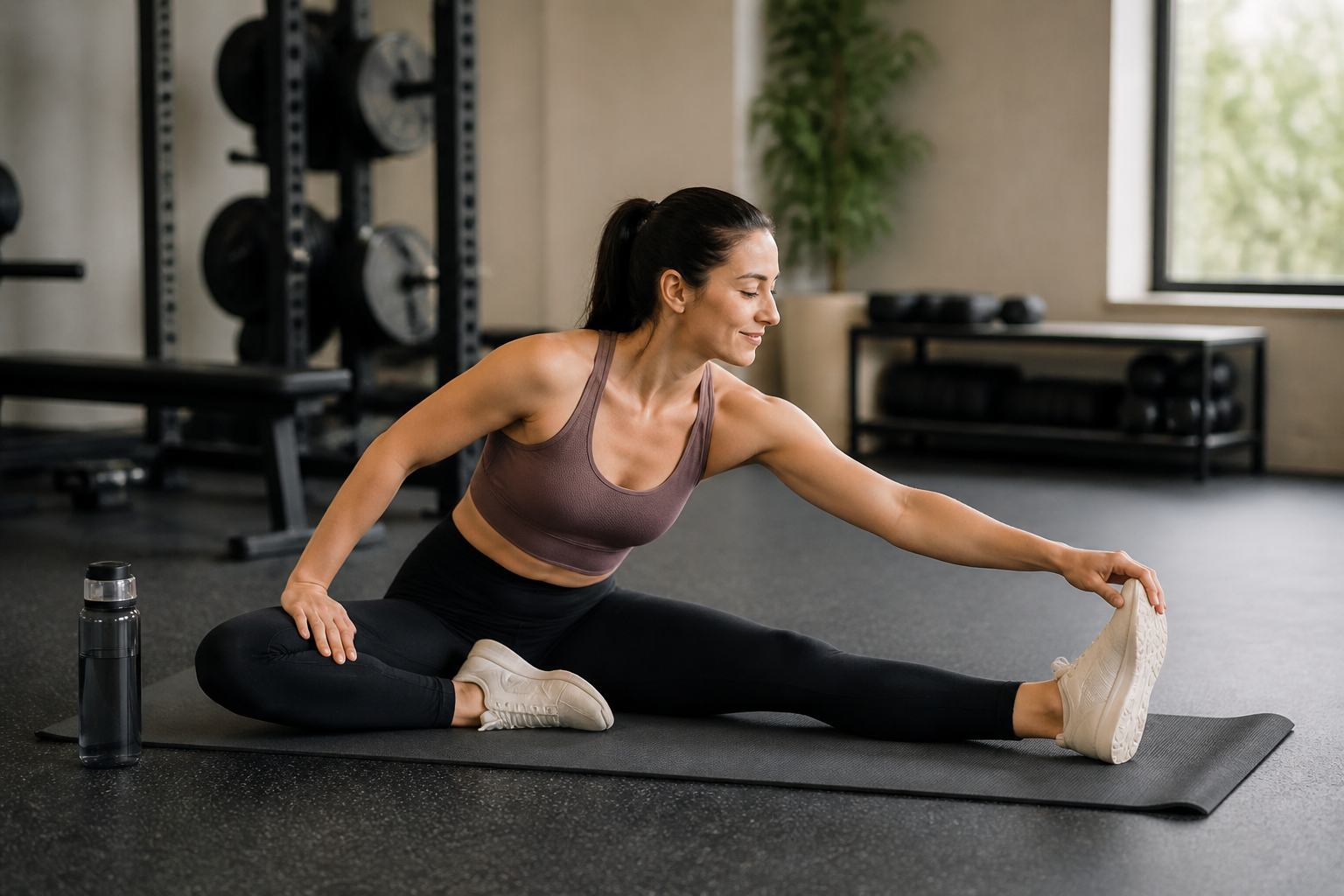
New lifters often make two mistakes: doing too much too soon or changing exercises every session. A repeatable plan solves both problems. When you repeat the same basic movements for several weeks, you can notice better balance, smoother reps, and gradual strength gains. You also spend less time deciding what to do. Train on three nonconsecutive days each week, such as Monday, Wednesday, and Friday. Start every session with five to ten minutes of easy walking, cycling, or rowing, followed by a few gentle mobility movements for the joints you will use. The warm-up should make you feel ready, not tired.
Day 1: Build a strong foundation
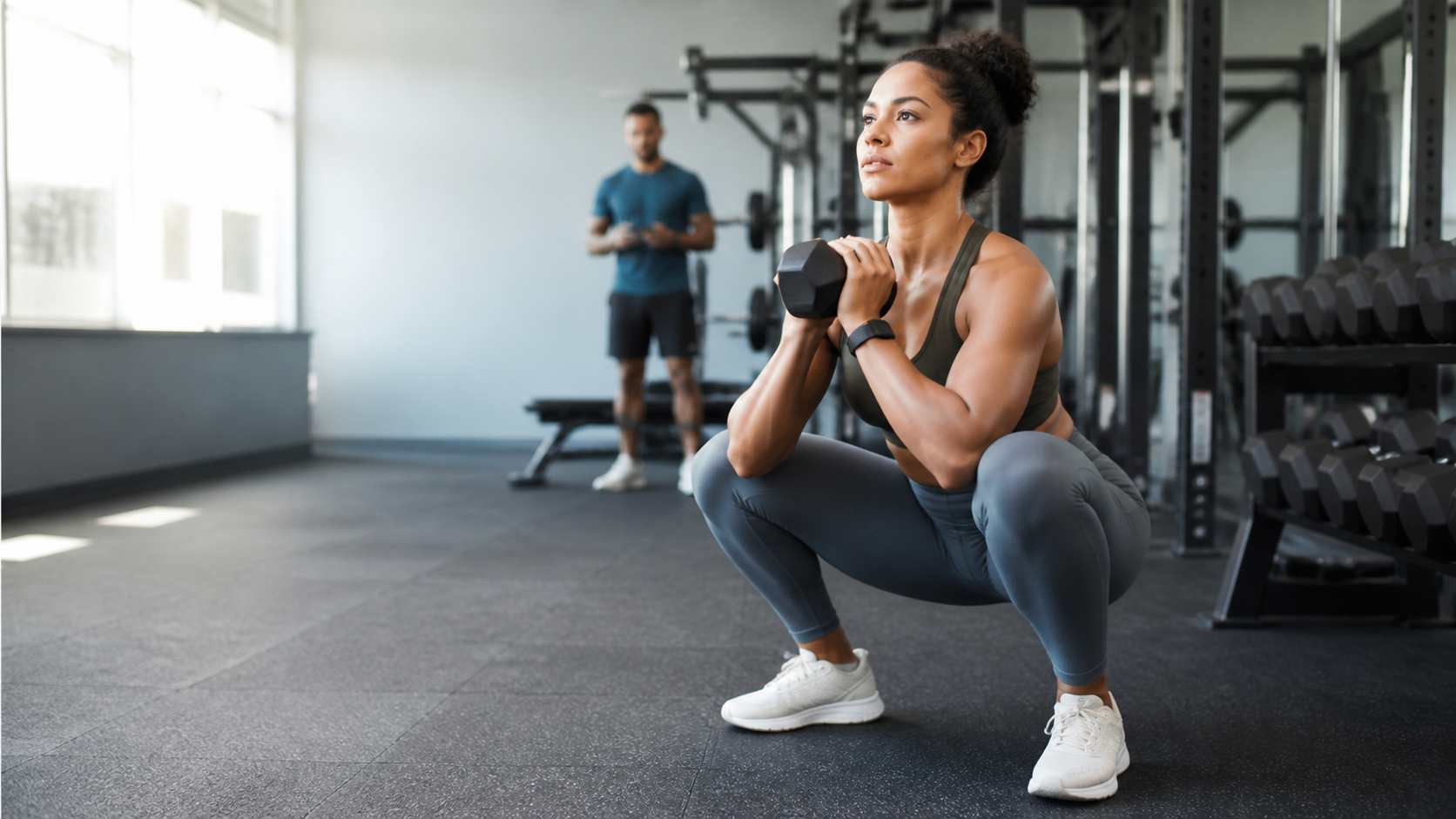
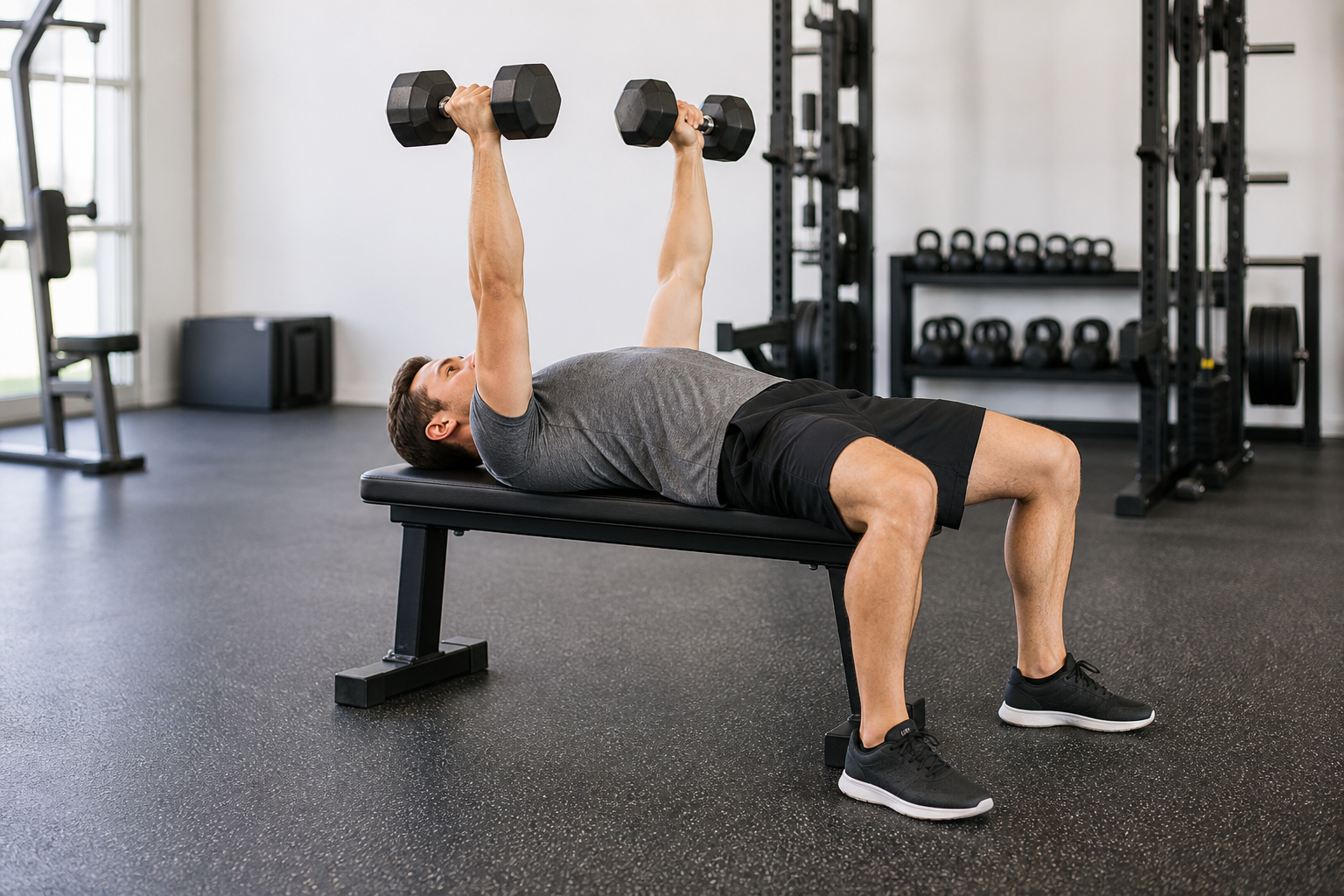
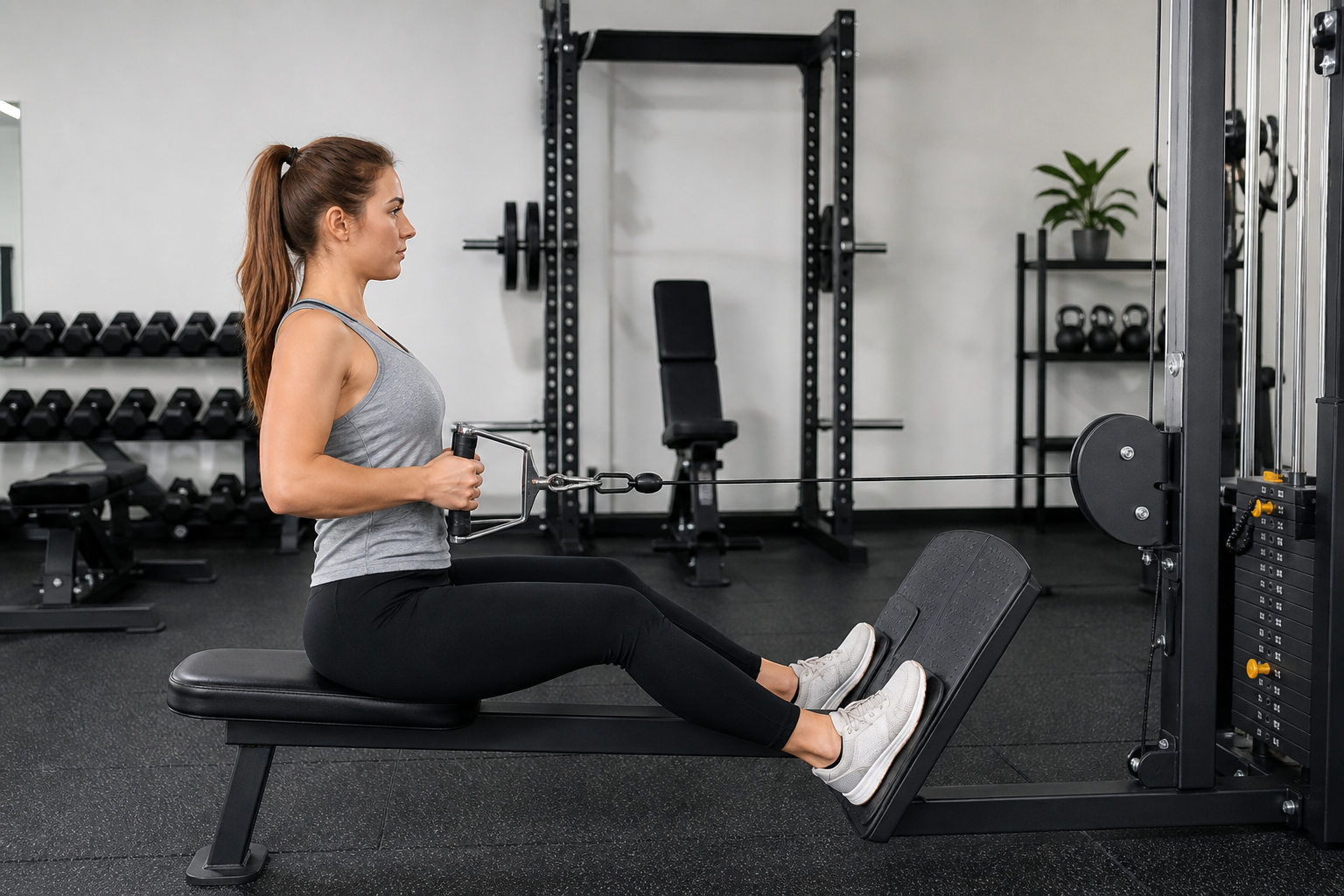
Start Day 1 with a goblet squat, holding one dumbbell close to your chest. Keep your feet comfortable, brace your midsection, and sit down between your hips while keeping your chest tall. Complete three sets of eight to ten controlled reps. Next, use a dumbbell bench press for three sets of eight to ten reps. Keep your feet planted, lower the weights slowly, and press without snapping your elbows straight. Finish with a seated cable row for three sets of ten to twelve reps. Pull the handle toward your ribs, keep your shoulders away from your ears, and return the weight with control. Rest for about sixty to ninety seconds between sets.
Day 2: Train legs, back, and core
On Day 2, begin with a leg press or a bodyweight split squat. Choose the option that lets you maintain a comfortable range of motion. Do three sets of ten reps. Then perform a lat pulldown for three sets of eight to twelve reps. Think about bringing your elbows down toward your sides instead of pulling the bar behind your neck. Add a seated cable row if you did not use it on Day 1, or choose a chest-supported dumbbell row for the same set and rep range. Finish with a plank: hold a straight line from head to heels for twenty to thirty seconds, rest, and repeat twice. Quality matters more than a long hold with a sagging back.
Day 3: Repeat, refine, and add confidence
Day 3 reinforces the movements you are learning. Do a goblet squat or leg press for three sets of eight to ten reps. Follow with a machine chest press or incline dumbbell press for three sets of eight to ten reps. Add a cable row or lat pulldown for three sets of ten to twelve reps. Finish with a farmer carry: hold a pair of manageable dumbbells, stand tall, and walk slowly for twenty to thirty seconds. Complete two or three carries. This simple exercise teaches posture, grip strength, and bracing. Keep the session focused; beginners get better results from excellent basic reps than from adding a dozen accessory exercises.
How to choose the right weight
Select a weight that feels challenging near the end of the set while still allowing clean technique. You should usually finish with one to three good reps left in reserve rather than grinding through a shaky final repetition. If you cannot reach the lower end of the rep range with control, lower the weight. If every set feels effortless and your form is consistent, increase the load by the smallest available amount at your next workout. Write down the exercise, weight, reps, and any form notes in your phone or notebook. That record turns a gym workout routine for beginners into a measurable plan instead of a guessing game.
Recovery, food, and consistency
Strength improves between sessions, so recovery is part of training. Aim for regular sleep, drink water through the day, and include protein-rich foods in meals that fit your preferences and needs. You do not need a perfect diet or expensive supplements to begin. On rest days, an easy walk, light stretching, or gentle mobility can help you stay active without adding fatigue. Give sore muscles time to recover, especially during your first few weeks. If a movement causes joint pain, dizziness, chest discomfort, or symptoms that concern you, stop and seek appropriate professional advice.
Make the first month easy to follow
For the first four weeks, keep the exercises mostly the same. Your task is not to prove how hard you can train; it is to create a routine you can repeat. Schedule your three sessions, prepare comfortable shoes and a water bottle, and arrive with the plan already written down. Celebrate small wins such as learning a machine setting, completing every planned set, or adding one clean repetition. After four consistent weeks, review your notes and decide whether to add a little weight, one extra set, or a new exercise. Patient progress is still progress.
Final thoughts
A successful gym workout routine for beginners is built around consistency, safe technique, and manageable effort. Start with three full-body sessions, focus on squats, presses, rows, and carries, and leave enough energy to return next time. The plan becomes more effective each week you practice it. Begin where you are, keep your form honest, and let steady repetition build the confidence that makes fitness a lasting part of your life.
Related beginner gym guides
- Gym Warm-Up Routine for Beginners
- How to Choose the Right Starting Weight at the Gym
- Best Gym Machines for Beginners: A Simple Guide
How to run this 3-day plan without overthinking it
Treat the first month as practice. Consistent setup and controlled repetitions matter more than chasing exhaustion.
Use a short warm-up and one light practice set.
Stop sets while technique is still repeatable.
Record settings, weight and repetitions for next time.
Continue with a beginner-friendly next step
- Learn the main gym machines
- Choose your starting weights
- Prepare for your first gym visit
- Use the beginner warm-up
How this was prepared: GymTopper created this practical decision guide for beginner use and checked the general recommendations against CDC guidance on physical activity for adults. Read our editorial policy. General education only; adjust training to your ability and seek qualified guidance when needed.
Leave a Reply