
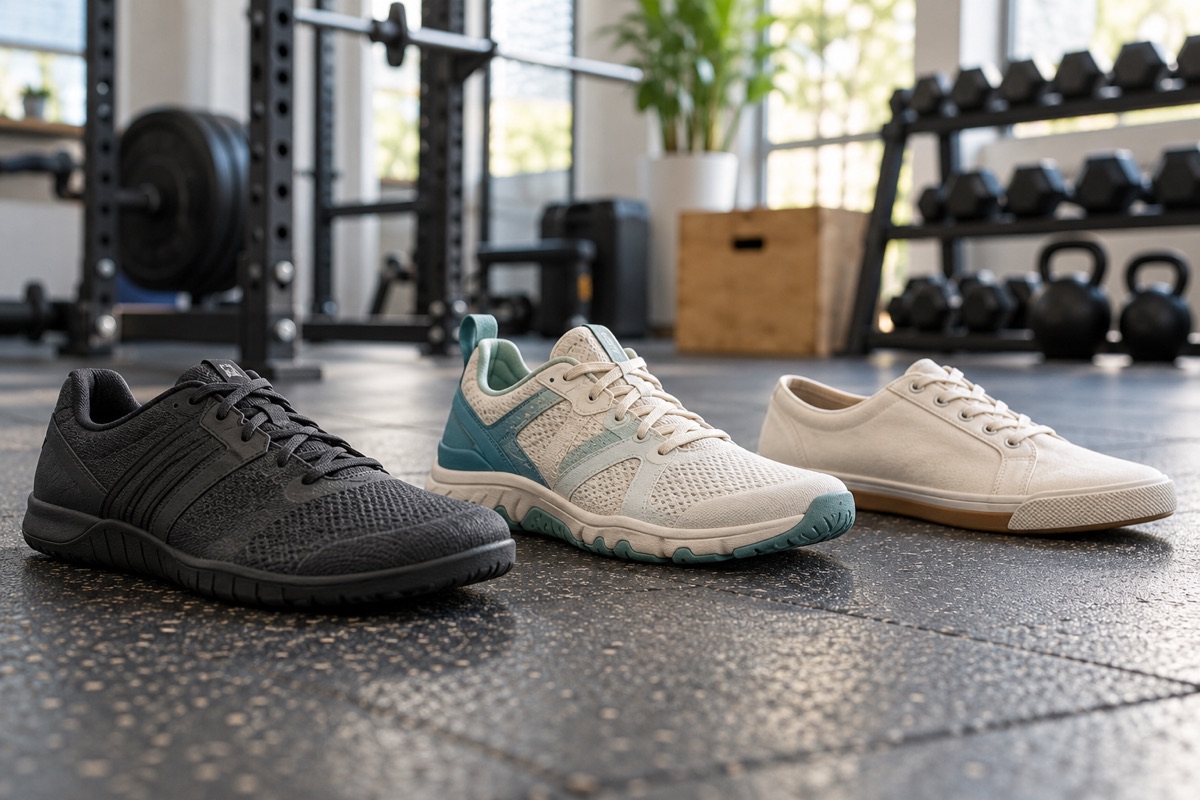
Shopping for the best gym shoes for beginners can feel strangely like choosing a car. Everyone has an opinion, the terminology gets dramatic, and somehow you end up considering a premium model before you know where you will actually drive it. Here is the good news: your shoes do not need to impress the dumbbell rack. They need to fit your feet, suit your training, and leave enough money for the rest of your life.
This guide compares seven recognizable options for strength training, mixed gym sessions, and beginner-friendly budgets. You will find current U.S. price examples, practical pros and cons, a visual buying framework, and a fitting checklist. More importantly, you will learn when a gym trainer makes sense—and when a running shoe, specialist lifting shoe, or the comfortable pair you already own may be the better conversation.
Quick answer: which gym shoes should a beginner buy?
Start with the workout you do most often. If your sessions revolve around dumbbells, machines, and controlled strength exercises, shortlist a firm, secure training shoe. If you take energetic classes or combine strength work with movement drills, prioritize a cross-trainer that balances support and forefoot flexibility. If most of your session is continuous running, shop for running shoes first rather than treating every sneaker as interchangeable.
For a mixed routine, the Reebok Nano X5, Nike Free Metcon 7, and adidas Dropset 4 are reasonable starting points for comparison. For a strength-focused shortlist, consider the Nike Metcon 10, Under Armour Reign 6, or NOBULL Outwork. A classic Converse Chuck Taylor is a lower-priced, lifting-oriented possibility for someone who finds it comfortable, but it is a lifestyle shoe, not a complete substitute for a performance cross-trainer.
None of those suggestions overrides fit. A fashionable shoe that pinches your toes is not secretly helping you become disciplined. It is simply pinching your toes. If you already have a comfortable, secure pair appropriate for your beginner sessions, you do not need to make buying another pair the entrance exam for joining a gym.
Best gym shoes comparison table: prices, strengths, and trade-offs
On smaller screens, each comparison appears as a labeled card so every detail is visible. Sale examples below apply to the specific official listings checked, not every version of the shoe. The drawbacks are buying considerations inferred from positioning and intended use, not defects discovered in testing.
| Shoe | U.S. price example | Best-fit shortlist | Pros | Cons / watch-outs |
|---|---|---|---|---|
| Nike Metcon 10 | $155 | Strength-first training | Hyperlift plate; secure midfoot; flexible outsole grooves | Premium price; not a dedicated distance-running shoe |
| Reebok Nano X5 | $150 regular; $99.99 observed sale | Mixed lifting and classes | Dual-density midsole; firmer heel and responsive forefoot | Sale depends on variant; versatility does not equal specialist performance |
| adidas Dropset 4 | $145 | Functional gym circuits | Full-length Repetitor foam; lifting-and-movement positioning | Not a dedicated running shoe; individual fit still matters |
| Nike Free Metcon 7 | $125 regular; $99.97 observed sale | HIIT and varied classes | Flexible forefoot; stable heel; midfoot containment | Nike flags a small fit; strength-focused users should compare alternatives |
| Under Armour Reign 6 | $140 | Strength-focused mixed sessions | Three-point ground-contact concept; secure upper | Not a running specialist; do not assume the upper fits every foot |
| NOBULL Outwork | $150 | Simple, strength-first routine | Flat, low-profile platform; 4 mm drop | Premium price for a straightforward design; strength over speed |
| Converse Chuck Taylor All Star Low Top | $60 | Budget, low-impact lifting option | Canvas upper; rubber sole; lower entry price | Lifestyle design; not an all-purpose HIIT or running recommendation |
Seven gym shoes worth comparing
1. Nike Metcon 10: a strength-first starting point
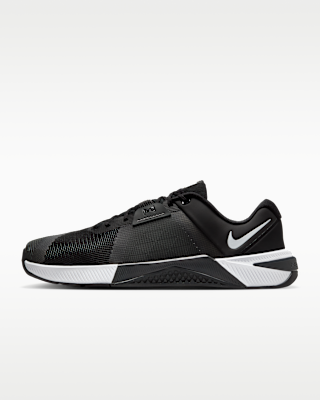
The Metcon 10 is the option to investigate when lifting is the main event rather than a quick stop between treadmill sessions. Nike lists a Hyperlift plate, ReactX foam, outsole flex grooves, and a secure midfoot system. That combination puts stability and some movement versatility on the same shopping list. The official U.S. listing was $155.
Why consider it: Its strength-focused construction makes it relevant to someone building a regular resistance-training habit. Why pause: The price is significant, and a training shoe is not automatically a comfortable choice for your longest runs. Nike also says this model fits small and suggests going up half a size. Treat that as a starting suggestion, then verify your own fit. Our take: A sensible premium candidate if your routine genuinely needs a strength-oriented trainer, not a compulsory beginner purchase. Check the official Metcon 10 details and price.
2. Reebok Nano X5: a versatile mixed-workout candidate

The Nano X5 deserves a place on a mixed-session shortlist. Reebok describes a dual-density midsole with a firmer heel and more responsive forefoot, plus a decoupled outsole. The checked listing showed a $150 regular price and a $99.99 sale example. Availability and discounts can change quickly, so inspect the exact size and color before declaring victory.
Why consider it: Its design brief spans strength and functional training, making it relevant to beginners who do a little of everything. Why pause: Broad versatility is not proof that it beats specialized footwear in every discipline. A discount also has no value if the fit is wrong. Our take: A good comparison point for someone who wants one training pair for varied gym days. See the official Nano X5 listing rather than assuming every retailer offers the observed sale.
3. adidas Dropset 4: for functional training variety

adidas positions the Dropset 4 around functional workouts that combine lifting, jumping, and movement. Its official announcement describes full-length Repetitor foam designed to balance energy return and stability. The U.S. product page checked listed $145. That makes it a mid-to-premium comparison rather than a bargain-basement impulse buy.
Why consider it: It is worth trying if your gym visit looks more like a circuit than a single exercise category. Why pause: Hybrid positioning does not turn it into a dedicated distance-running shoe, and technical names cannot predict personal comfort. Our take: Compare it against other cross-trainers using your actual movement checklist instead of selecting it on styling alone. Confirm current sizing, stock, and price on the official product page; the brand announcement explains its intended design.
4. Nike Free Metcon 7: a class-oriented option
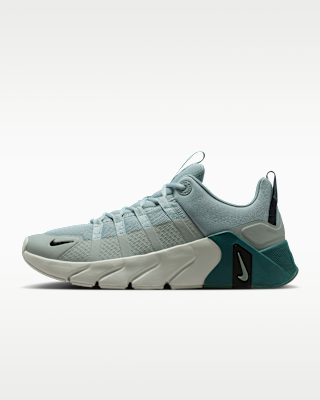
Nike describes the Free Metcon 7 as combining a flexible forefoot with a stable heel, webbed lacing, and an inner sleeve for containment. The checked colorway showed $99.97 against a $125 regular price. Those details make it a useful candidate for varied classes and training sessions with more movement than a purely lifting-focused routine.
Why consider it: Forefoot flexibility is an appealing design priority when you move through changing exercises. Why pause: Nike flags a small fit and suggests half a size up; that is not a guarantee of comfort. Someone prioritizing heavy strength work should also compare firmer, strength-oriented alternatives. Our take: Put it on your try-on list for mixed classes, but judge the fit during gentle direction changes as well as standing. Check the official Free Metcon 7 page for the exact variant.
5. Under Armour Reign 6: secure, strength-focused positioning

The Reign 6 is another candidate for beginners who expect resistance training to anchor their routine. Under Armour highlights a three-point ground-contact concept and a secure upper. The official price checked was $140. Rather than interpreting those claims as a performance score, use them to decide whether this model belongs in your fitting session.
Why consider it: Its stability-oriented brief is relevant to controlled strength work and mixed sessions. Why pause: An upper that feels secure to one person may feel restrictive to another. It also should not be chosen as a running specialist just because it looks athletic. Our take: Compare the heel hold and forefoot space with other strength-first trainers; the best match is the one that suits your foot without unwanted pressure. Review the official Reign 6 specifications and price.
6. NOBULL Outwork: straightforward strength over speed

NOBULL describes the Outwork as a low-profile, flat training platform with a 4 mm heel-to-toe drop, oriented toward strength rather than speed. The checked official listing was $150. Its comparatively simple brief may appeal to someone who wants a clear strength-focused choice instead of a sneaker that promises to do absolutely everything.
Why consider it: The low-profile concept makes it worth investigating for a lifting-centered routine. Why pause: The premium price is substantial, and simplicity is not the same thing as universal comfort. A stated drop measurement also does not tell you whether the shoe matches your foot. Our take: Shortlist it if the design priorities match your sessions, then make the purchase conditional on fit and a usable return policy. Check the official Outwork listing for current versions, sizes, and pricing.
7. Converse Chuck Taylor All Star: a budget alternative with limits
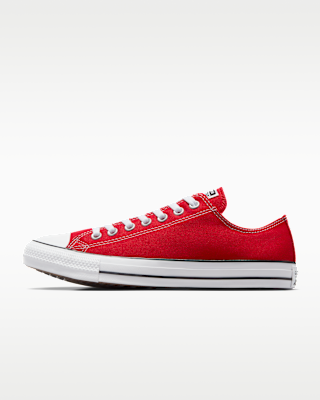
The classic low-top Chuck Taylor is not marketed as an advanced cross-trainer. The official listing describes a canvas upper and vulcanized rubber sole, with a $60 price. It can be a budget comparison for low-impact, lifting-oriented use if its fit works for you. That is a narrower recommendation than calling it the ideal shoe for every beginner.
Why consider it: The entry price is much lower than most dedicated trainers here, and the straightforward design may suit a simple session. Why pause: It remains a lifestyle shoe, not a complete answer for repeated jumping, lateral drills, or sustained running. Our take: Consider it an inexpensive possibility, not a universal shortcut. Do not choose it solely because a strong person at your gym wears one. Consult the official Chuck Taylor listing for product details.
Infographic: match the shoe to your main workout
Your workout → your footwear shortlist
Buying framework, not a clinical prescription or a measured product ranking.
Gym shoes versus running shoes: why the distinction matters
A shoe can be excellent for one task and an awkward choice for another. Running involves repeated forward movement. Gym sessions may include standing under load, stepping sideways, lunging, changing direction, and brief bursts of movement. The American Podiatric Medical Association’s sports-footwear guidance emphasizes matching footwear to the activity; its advice also distinguishes running shoes from footwear for lateral movement.
That does not mean every person needs a suitcase of footwear. It means your main activity should guide the purchase. A beginner doing a brief treadmill warm-up followed by machines has a different shopping problem from someone running for most of the hour. Likewise, taking a dance-style class is different from practicing controlled barbell movements. “Gym” names the building, not the movement pattern.
Write down your last three workouts before shopping. Do not write the heroic routine you intend to start after buying beautiful sneakers. Write what you actually did. If most of the time was lifting, begin with lifting-oriented options. If sessions were mostly running, begin with running options. If they genuinely varied, compare cross-trainers and accept that an all-rounder involves compromises.
Specialist weightlifting shoes are another category, typically chosen for a particular lifting purpose rather than general errands and classes. Beginners do not need to assume they must buy them immediately. Ask a qualified coach whether that category would help your actual training before making it your first investment. A shoe cannot replace technique instruction or a sensible progression plan.
How to choose gym shoes without getting lost in marketing
Start with fit, not a technology acronym
The most impressive specification sheet in the world cannot make the wrong shape right for your foot. Wear the socks you intend to train in and compare both shoes, not just the display sample. Check how the heel stays in place, whether the upper creates pressure, and whether the toes have comfortable room. Fit should be evaluated as a whole rather than reduced to a single number on the box.
The APMA shoe-selection guide advises fitting the larger foot and choosing immediate comfort rather than relying on a break-in period to fix a poor fit. If two sizes feel wrong in different ways, consider another model. Sizing up can address length, but it does not always solve a mismatch in shape.
Think about how the shoe behaves during your movements
Subject to the store’s rules, try a few gentle movements that resemble your workout: walking, a shallow bodyweight squat, or a controlled step. You are checking comfort and containment, not performing a maximum-effort demonstration between the shoe shelves. Notice whether the heel slips, your foot shifts inside the upper, or a seam becomes irritating when you bend.
Compare two shortlisted models directly if possible. Memory is a surprisingly unreliable fitting assistant. One shoe may feel impressive until the next pair makes you realize you were tolerating pressure you did not need to tolerate. Keep notes about specific observations: “heel lifts when I step” is more useful than “the vibe is slightly weird.”
Treat width and toe-box descriptions cautiously
“Roomy,” “wide,” and “secure” are not universal experiences. A brand can describe a shoe as spacious while your particular foot still disagrees. Check whether a true wide option exists and confirm the exact model, rather than assuming a roomy reputation applies to every shoe in a brand’s range. Product names that look similar can hide meaningful differences.
Do not tighten laces aggressively to compensate for a poor fit. Lacing can fine-tune comfort, but it is not a substitute for a suitable size and shape. Johns Hopkins Medicine’s lacing guidance offers ways to adjust athletic-shoe fit. Persistent pain, numbness, or recurring foot problems call for professional assessment rather than a shopping-guide diagnosis.
Three realistic beginner shopping scenarios
The machine-and-dumbbell beginner
Imagine your routine is a short warm-up, a few machines, dumbbell rows, and a controlled lower-body exercise. Your immediate goal is consistency, not competition. Start by checking whether your existing appropriate footwear is comfortable and secure. If it is not, compare a couple of strength-oriented trainers and one versatile alternative. You may discover that the less expensive option meets your needs perfectly well.
Your money may be better split between comfortable footwear and a few introductory coaching sessions than spent entirely on the premium model. Plan the routine first; then buy for it. GymTopper’s three-day beginner gym workout plan can help you picture the kinds of sessions you are preparing for.
The class enthusiast
Now imagine you enjoy circuits, light weights, and energetic group classes. Your shoe-shopping checklist should include secure containment during direction changes and comfortable forefoot movement. A strength-only mindset may miss the features that matter to you. Compare versatile trainers while remembering that class formats differ; a cycling class and a jump-heavy circuit are not the same footwear problem.
Ask the instructor what movements the class involves before purchasing. That small question can save an expensive mismatch. If you are new to both the class and the gym, choose manageable intensity while learning the movement patterns. New shoes are not a permission slip to double every jump simply because the playlist is excellent.
The treadmill-first beginner
If your main activity is continuous treadmill running, this comparison is not a reason to abandon running shoes. Start with a running-focused fitting conversation and clarify how much strength work you also do. Depending on your needs and budget, one suitable pair may be enough for now, or eventually separate footwear may make practical sense. There is no medal for buying two pairs before your first week.
Be honest about your training time. A few minutes warming up is not the same as running most of the session. That distinction changes which category deserves priority. You can still use the table to understand cross-trainers, but avoid buying the “best gym shoe” for a workout that is mostly a run.
How much should you spend on gym shoes?
The options in this guide span a $60 lifestyle alternative to $155 training shoes at the checked prices. That range is a shopping reference, not a required spending target. The right budget depends on your training, fit options, and how much you can comfortably spend. A costly shoe is not automatically a better match, while the cheapest shoe is not automatically a bargain.
Build a total-price checklist. Include shipping, return costs, and whether a discounted pair is final sale. Compare the exact model generation and colorway rather than treating every search result as the same product. A sale on last year’s trainer can be sensible, but only if it is genuinely the model you want and you can verify the seller.
Do not let a countdown timer make the decision for you. There will always be another promotion somewhere on the internet, usually accompanied by a banner large enough to be seen from space. Set a budget before opening product pages, shortlist two or three options, and decide what fit information you still need. This keeps the shopping process from becoming a sport of its own.
Be wary of unfamiliar sellers offering implausibly low prices. Check retailer identity, contact information, payment protections, and return terms. A verified official sale is different from a mysterious listing with copied photos and no clear business details. This guide links official product pages so you can establish a reliable baseline before comparing offers.
Worked example: what does a pair cost per workout?
Sticker prices are easier to compare when you translate them into the sessions you expect to complete. The calculation is purchase price ÷ number of workouts. The examples below use the dated prices in this guide and an assumed 48 training weeks. They do not predict shoe lifespan: a pair may need replacing sooner or last longer, and its suitability still comes first.
| Price used | 2 sessions weekly: 96 workouts | 3 sessions weekly: 144 workouts | 4 sessions weekly: 192 workouts |
|---|---|---|---|
| $60 — Chuck Taylor example | $0.63 | $0.42 | $0.31 |
| $99.99 — Nano X5 sale example | $1.04 | $0.69 | $0.52 |
| $155 — Metcon 10 example | $1.61 | $1.08 | $0.81 |
At three sessions a week, the $95 difference between the $60 and $155 examples becomes about $0.66 per planned workout. That tells you the size of the budget decision; it cannot tell you which pair fits better. A cheaper lifestyle shoe that does not suit your class is still the wrong purchase. Include delivery and any return costs when calculating your own total.
A sale decision with a $120 budget
Suppose your budget is $120 before tax and you are comparing the observed $99.99 Nano X5 sale with a $125 regular-price Free Metcon 7. The sale leaves $20.01 within that budget; the regular-price option exceeds it by $5. The observed $99.97 Free Metcon sale is only two cents below the Nano example. At that point, size availability, comfort, and return terms matter far more than the price difference. These are shopping scenarios based on dated listings; confirm the current checkout price.
Make your own shoe-fitting record
Copy this worksheet into your phone and complete it for each pair you try. It turns “seems comfortable” into observations you can compare later. Follow the seller’s try-on rules and use only gentle movements you already perform comfortably. Stop if a movement hurts.
Model and version: ______ Size / width: ______
Date / seller: ______ Price including delivery: ______
Socks worn: ______ Main workout: ______
- Standing: Where, if anywhere, does the upper press on either foot?
- Walking: Does either heel lift or rub? Does the foot slide inside?
- Gentle squat or step: Does comfort change as the shoe bends?
- Gentle direction change, if relevant: Does the foot feel contained without excessive lace pressure?
- Comparison: What specific difference did you notice in the other pair?
- Return deadline and conditions: ______
For example, “right heel lifts during walking; left toes feel crowded” is a useful fitting note. “Amazing stability” is harder to assess without a clear observation. Keep the record specific to your feet and movements rather than turning it into a universal product rating.
Document use after you decide to keep the pair
Record the purchase date, sessions completed, workout types, comfort changes, and visible wear. Photograph the actual shoes from the side, outsole, and any affected area, then take later photos from similar angles. Note whether you used them outside the gym too. This provides context for your experience; it does not establish that every owner will get the same result.
If you share observations with GymTopper, include the exact model, usage period, your routine, whether you bought or received the shoes, and permission to publish your notes and photos. Contributions should be attributed to their actual author. A coach’s input should identify the coach, relevant qualifications, and what they reviewed.
Your try-on checklist before you remove the tags
- Confirm the exact model and size on both the box and the shoes.
- Wear your usual training socks and try both feet.
- Check toe comfort, heel hold, and pressure across the upper.
- Use gentle, permitted movements similar to your workout.
- Compare another model rather than forcing a poor match.
- Read the return policy before outdoor or gym use.
- Keep packaging and the receipt until you are sure.
Many return policies distinguish an indoor try-on from a used shoe. Do not assume you can complete a sweaty workout and return the pair afterward. Read the rules for the seller you are using, including exclusions for discounted items. A short, careful fitting process protects both your budget and your ability to reconsider.
When buying online, record what worked or failed so the next attempt is smarter. Maybe the length was right but the heel slipped; maybe the upper pressed on the top of your foot. Those observations help narrow the search. They also make an in-store fitting conversation more productive than announcing, “All shoes are bad,” which is understandable but not especially diagnostic.
Care and replacement: keep your gym shoes useful
Follow the manufacturer’s care instructions rather than assuming every shoe can survive a hot washing-machine cycle. Let damp footwear dry appropriately, remove obvious dirt, and avoid storing it indefinitely in a closed, sweaty gym bag. Treat cleaning as basic maintenance, not a chemistry experiment with whatever happens to be under the sink.
Inspect the outsole, upper, and heel regularly. Worn traction, torn containment areas, or an uncomfortable fit change are reasons to reassess the shoe. There is no single calendar rule in this guide for every training style and model. Frequency, surfaces, storage, and the type of movement all affect how a pair ages.
Do not assume new discomfort is always a shoe problem, either. Training changes and other factors can contribute. If symptoms persist, seek appropriate professional advice rather than repeatedly buying new footwear and hoping one box contains the answer. Gear should support a sensible routine, not become the explanation for every uncomfortable workout.
Frequently asked questions about beginner gym shoes
Can I wear running shoes to the gym?
It depends on what you do there. Running shoes make sense for running-focused sessions, but their intended purpose differs from lateral movement and strength-focused training. Review your main activities and the shoe’s design. If you are unsure about a particular class or exercise, ask a qualified instructor and prioritize comfortable, secure footwear.
Do beginners need expensive lifting shoes?
No purchase in this guide is an entry requirement. Specialist lifting footwear can serve specific training purposes, but a beginner should first understand the routine and get appropriate technique guidance. Buy to solve an identifiable need. “Everyone online says I need them” is not quite the same thing as an identifiable need.
Are flat shoes always best for lifting?
There is no universal answer for every person and lift. A lower-profile, firm platform is one category worth comparing, but individual fit, the exercise, and coaching advice matter. A flat lifestyle shoe and a specialist weightlifting shoe are different tools. Avoid reducing the decision to a slogan that ignores your actual training.
Which option is best for wide feet?
This guide does not declare a universal wide-foot winner without individual fitting or standardized width testing. Look for an appropriate width option and compare the exact models in person if possible. A roomy description is a useful clue, not a promise. Do not confuse extra length with a comfortable width match.
Should I size up in gym shoes?
Follow model-specific guidance as a starting point and confirm the fit on both feet. Nike suggests half a size up on the Metcon 10 and Free Metcon 7 listings checked, but that advice should not be generalized to every brand. If changing size creates new slipping or pressure, try another shoe shape.
Can one pair cover lifting, HIIT, and running?
A cross-trainer can be a practical compromise for varied gym sessions, but no pair is equally specialized for everything. The more time you spend on one activity, the more it should influence the choice. Be especially cautious about treating brief running capability as proof of suitability for regular distance runs.
The bottom line: buy for your workout, not the hype
The best gym shoes for beginners are the shoes that match the routine you actually do and fit comfortably enough that you are not thinking about them every five minutes. Use this guide to create a shortlist, not to outsource your feet’s opinion. Product technology, discounts, and stylish colors are useful considerations after the fundamentals—not substitutes for them.
Choose your main training category, set a realistic budget, compare a few fits, and keep your return options clear. Then focus on building a routine you can repeat. Explore the GymTopper beginner gym hub for your next step. A well-chosen shoe is helpful. Showing up consistently is still the part that does the heavy lifting.
Leave a Reply