
Weighted vests have escaped the serious-training corner of the gym and wandered directly into everyday walking videos. Suddenly, people are wearing them around parks, on treadmills, and during chores with the determined expression of someone carrying groceries but calling it performance training. The trend makes sense: a vest adds load without occupying your hands, and it can make familiar movements feel challenging again.
However, the difference between “useful resistance” and “expensive uncomfortable backpack worn backward” comes down to fit, load, and purpose. A vest for relaxed walking should not be judged by the same standards as a plate carrier for hard rucking or a close-fitting vest for running drills. This guide compares the low-profile Hyperwear Hyper Vest FIT, the rugged GORUCK Rucking Weight Vest, and the affordable fixed-weight ZELUS vest. Prices are approximate U.S. ranges and change with sizes, weights, and sales.
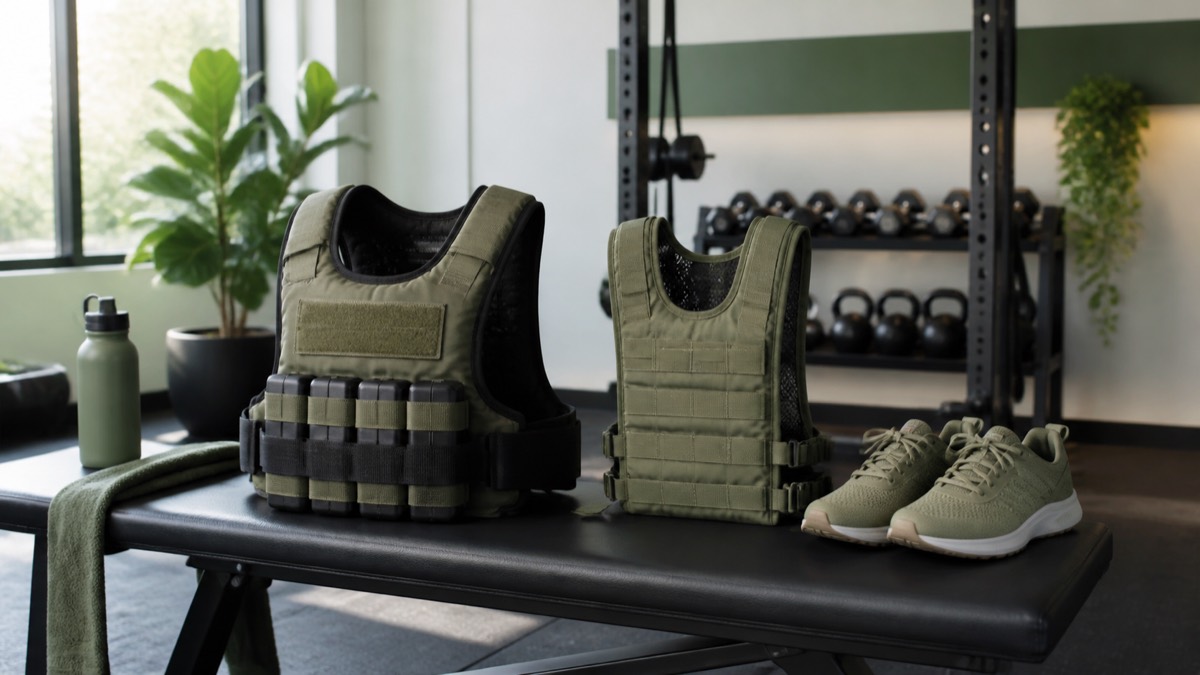
Weighted vest comparison at a glance
| Vest | Typical price | Best for | Pros | Cons |
|---|---|---|---|---|
| Hyperwear Hyper Vest FIT | From about $85; heavier configurations cost more | Low-profile walking and mixed workouts | Close fit, adjustable loading, less bulky than tactical styles | Limited maximum load, sizing matters, premium cost per pound |
| GORUCK Rucking Weight Vest | Roughly $185–$250 before plates | Dedicated rucking and durable training | Rugged construction, stable plate loading, strong warranty reputation | Plates add cost, tactical feel, warmer and bulkier |
| ZELUS Fixed-Weight Vest | About $23–$60 | Budget walking and beginner circuits | Affordable, simple, multiple fixed-weight choices | Less adjustable, may bounce, fit and finish vary by model |
Why weighted vests are trending
A weighted vest makes a simple idea look refreshingly efficient: keep the movement, add resistance. Walking remains walking, step-ups remain step-ups, and bodyweight squats remain bodyweight squats—just with a passenger strapped to your torso. That visual simplicity works well on social media, but it also has practical value. You do not need a new exercise library, and your hands remain free.
The current interest is especially strong among people who enjoy walking and want progression beyond going farther or faster. A vest can also support short home circuits when dumbbells are inconvenient. Still, extra load does not automatically make a workout better. If it changes your posture, causes pain, or turns an easy recovery walk into a grinding session, it may be solving a problem you did not have.
How heavy should a weighted vest be?
Beginners should start conservatively. Recommendations vary by activity, experience, and individual health, but a light vest that lets you maintain normal posture and stride is more useful than a dramatic load that makes every step look like a slow-motion action scene. Many walkers begin around five to ten percent of body weight or lighter. There is no prize for starting at the upper end.
Use the talk test and movement quality. You should be able to walk without leaning, stomping, shortening your stride, or developing pressure points. Begin with ten to twenty minutes on a familiar flat route. Increase only one variable at a time: load, duration, terrain, or pace. Adding all four together is not “efficient progression”; it is a group project where your knees do all the work.
What we looked for
Our comparison prioritizes load distribution, bounce control, adjustability, shoulder comfort, heat, durability, ease of cleaning, and total cost. We also considered whether the vest fits its stated purpose. A slim vest may be excellent for walking but unable to accept heavy plates. A rugged carrier may be wonderful for rucking but excessive for a gentle neighborhood loop. “Best” changes when the job changes.
Hyperwear Hyper Vest FIT: best low-profile option
The Hyper Vest FIT is designed to sit close to the body rather than hang like a tactical carrier. Hyperwear lists it from roughly $85, with cost depending on configuration. Its small removable weights allow gradual adjustments, and the side lacing helps create a secure fit. That makes it appealing for walking, bodyweight training, and movement where bouncing fabric quickly becomes annoying.
Its strength is comfort and control, not maximum loading. The slim design can feel less intimidating and may fit beneath a light outer layer, but it also limits how much resistance you can add. The small weight pockets require patience when changing the load. If you enjoy frequent micro-adjustments, this is satisfying; if you want to slide in one large plate and leave, it may feel like organizing a very muscular spice rack.
Pros: close fit, fine load adjustments, relatively low bulk, and a design suited to walking and varied movement.
Cons: higher price than simple fixed vests, lower top-end loading than plate systems, and sizing that must be selected carefully.
Best for: people who value comfort and stability more than extreme weight.
GORUCK Rucking Weight Vest: best for dedicated rucking
GORUCK builds equipment around loaded movement, and its rucking vest reflects that focus. The carrier uses a more substantial construction and is designed for compatible plates held close to the torso. It suits brisk walks, hills, stairs, carries, and structured rucking sessions. The build and warranty reputation appeal to buyers who expect to train outside and use the vest hard.
The catch is total cost. The carrier may cost around $185 to $250, and plates can be separate. Add the components before comparing it with an all-in-one vest. It is also bulkier and warmer than a low-profile model. For somebody who wants five pounds during a casual walk, this is like buying a pickup truck to transport one houseplant. For dedicated rucking, however, the stability and durability make sense.
Pros: sturdy construction, secure plate placement, purpose-built fit, and strong long-term training potential.
Cons: expensive once plates are included, heavier and hotter, and unnecessary for very light use.
Best for: committed ruckers and exercisers who want a durable, plate-based system.
ZELUS weighted vest: best affordable starter
ZELUS fixed-weight vests became visible partly because they are inexpensive and simple. Popular versions are sold in weights such as six, eight, twelve, sixteen, and twenty pounds, often in the $23 to $60 range. There are no plates to calculate and no tiny pockets to rearrange: select a load, put on the vest, and walk.
That simplicity is also the limitation. A fixed vest offers little or no progression within the product, and the fit may be less controlled across different body shapes. Some users may experience movement at the shoulders or pressure across the chest. Check the exact model, because ZELUS sells several designs. Reflective details and storage pockets can be useful, but neither feature compensates for a vest that bounces or restricts breathing.
Pros: low price, easy setup, many fixed-weight choices, and an approachable way to test the habit.
Cons: limited adjustability, less refined fit, potential bounce, and the possibility of outgrowing the chosen load.
Best for: budget-conscious walkers who know the light weight they want and prefer uncomplicated gear.
Weighted vest fit checklist
The vest should not bounce
A small amount of movement may be unavoidable, but the load should not slap against your body with each step. Tighten the vest according to its instructions without compressing your chest or restricting natural breathing. Test easy walking before attempting stairs, jumps, or fast direction changes.
Pressure should be distributed
Sharp shoulder pressure, rubbing near the neck, numbness, or pinching are signs to stop and adjust. A heavier vest does not excuse a poor fit. Thin clothing can reveal friction quickly, while a moisture-wicking layer may improve comfort. In hot conditions, remember that a vest adds insulation as well as load.
Your posture should remain recognizable
Avoid leaning forward, arching excessively, or shortening your stride to manage the weight. Record a short side-view video at a normal walking pace if you are unsure. If the loaded version looks dramatically different from your unloaded movement, reduce the weight or reconsider the design.
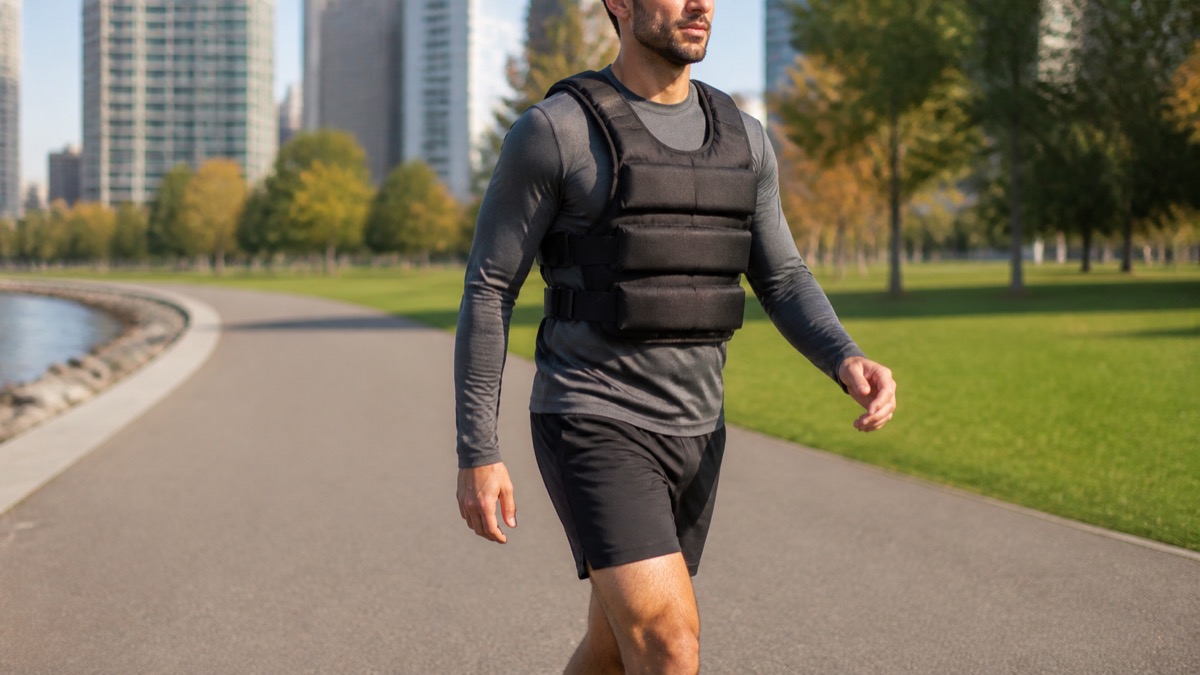
Best weighted-vest exercises for beginners
Walking is the easiest starting point. Once the vest feels stable, simple movements such as controlled step-ups, sit-to-stands, bodyweight squats, split squats, and incline push-ups can work well. Keep repetitions smooth and stop each set before technique deteriorates. Avoid high-impact jumping until you have appropriate strength, experience, and a clear reason to include it.
A beginner session might include a ten-minute walk, two sets of eight sit-to-stands, two sets of six step-ups per side, and another ten-minute walk. That will not earn dramatic background music, but it is repeatable—and repeatable training quietly defeats exciting plans that happen once.
Who should avoid weighted-vest training?
People with joint, balance, cardiovascular, spinal, or pelvic-floor concerns should seek individualized guidance before adding external load. Pregnancy and recovery from injury or surgery also require professional advice. Stop if you experience pain, dizziness, chest discomfort, numbness, or unusual shortness of breath. A vest is optional equipment, not a test of character.
Buying mistakes to avoid
First, do not compare carrier-only pricing with an all-in-one vest. Second, do not buy a heavy fixed model because it seems like better value per pound. Unusable weight is just expensive storage. Third, check return policies; fit is personal. Finally, choose for your main activity. Runners, walkers, ruckers, and strength trainees may prefer different shapes even at the same load.
Care, cleaning, and long-term value
A weighted vest sits close to a warm body, so care instructions matter more than the product photos suggest. Check whether the weight inserts must be removed before cleaning and whether the shell is machine washable or spot-clean only. After sweaty sessions, open the vest, wipe it down, and let it dry completely before storage. Leaving a damp vest zipped inside a gym bag is an efficient way to invent a new species of locker-room aroma.
Inspect stitching, buckles, hook-and-loop panels, zippers, and weight pockets every few weeks. A loose plate or damaged pocket can shift unexpectedly during a walk. Replace worn components and stop using a vest that no longer secures its load. For outdoor sessions, reflective trim is helpful, but a bright top, light, and awareness of traffic are still important.
Think about progression before comparing prices. An adjustable model can cost more initially yet remain useful as your fitness improves. A fixed vest is cheaper and delightfully simple, but moving from a light walking load to a heavier training load may require a second purchase. The better value is the vest you can progress with safely—not necessarily the one with the lowest checkout total.
Final verdict
The Hyperwear Hyper Vest FIT is the best choice for a low-profile, adjustable feel during walking and mixed training. The GORUCK Rucking Weight Vest makes sense for people committed to durable, plate-loaded rucking. The ZELUS fixed-weight vest is the accessible entry point for light walking and simple circuits.
Start lighter than your ego suggests, confirm a stable fit, and let duration increase gradually. A weighted vest can make ordinary movement more demanding, but the smartest version is the one you can wear comfortably and consistently. If it spends every week hanging in a closet looking tactical, it is technically just an unusually judgmental coat.
Keep learning: weighted-vest walking guide and beginner rucking plan offer practical next steps on this topic.
Leave a Reply