
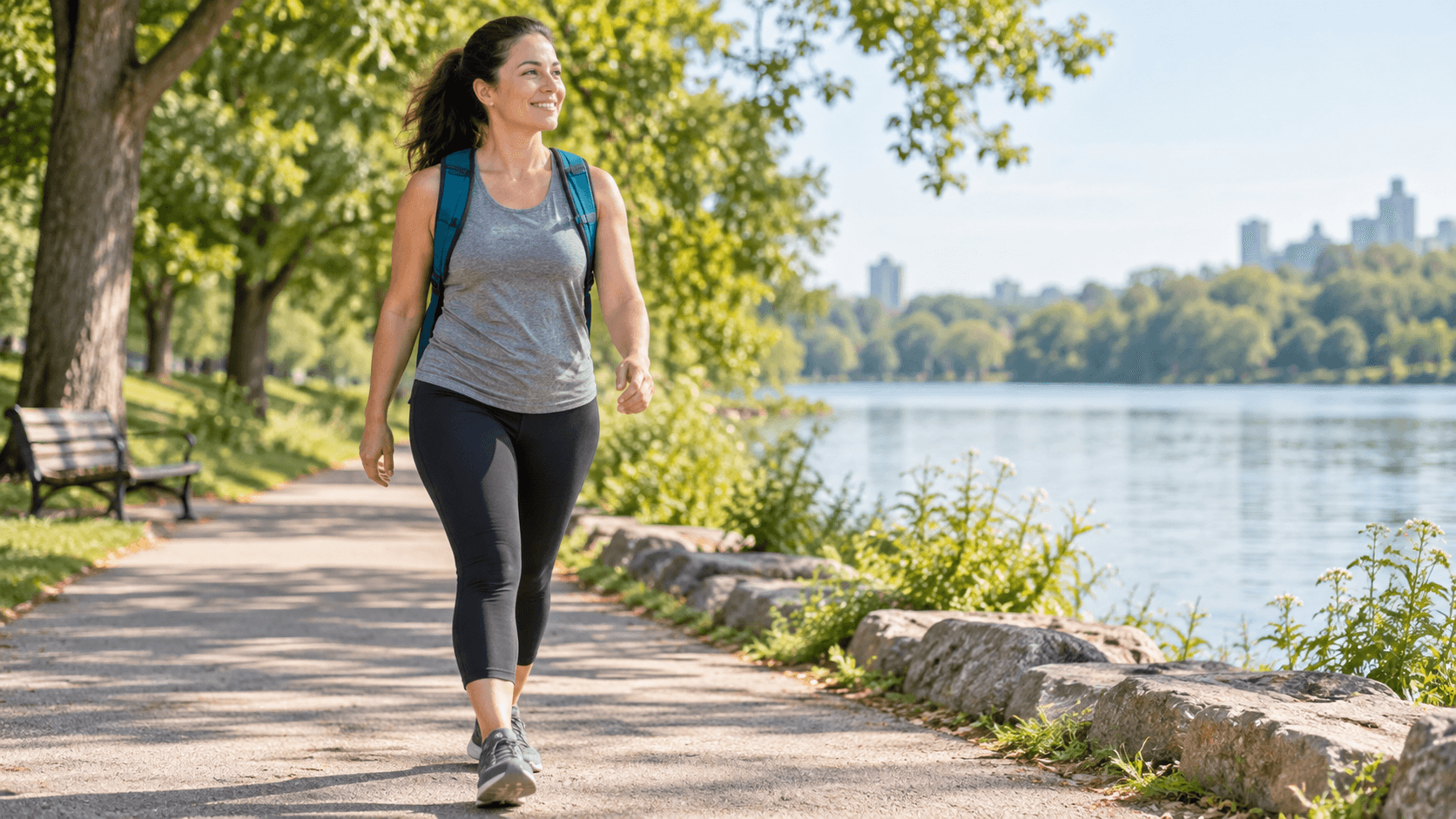
Rucking for beginners sounds like something that requires camouflage, a dramatic sunrise, and a person shouting instructions. Fortunately, the everyday version is much simpler: walking while carrying a backpack with some added weight. You can keep your normal clothes, your normal route, and your normal reluctance to exercise before breakfast.
The interesting part is not how much weight you can carry on day one. It is whether the activity fits your life well enough to repeat. This guide explains how to test that fit, choose equipment sensibly, and build a modest four-week routine without turning an ordinary walk into an expedition.
Rucking has attracted fresh attention in 2026, including recent reporting about women taking up weighted walking. That attention makes it a timely topic, not a promise that it is the best workout for everyone. The plan below is an illustrative starting framework for adults already comfortable walking, not an individualized training prescription.
What is rucking, exactly?
In recreational fitness, rucking usually means walking with a loaded backpack. The load changes the demands of the walk, while the basic movement remains familiar. Your terrain, walking pace, duration, and pack weight all influence how challenging it feels. A short flat walk and a long hilly hike belong to the same family, but they are very different sessions.
You do not need to imitate military standards or an online challenge. Those targets may be designed for people with different conditioning and goals. Start by deciding what you actually want: more variety in your walking, a reason to spend time outdoors, or a manageable activity between gym sessions.
Rucking versus a weighted vest: which should you try?
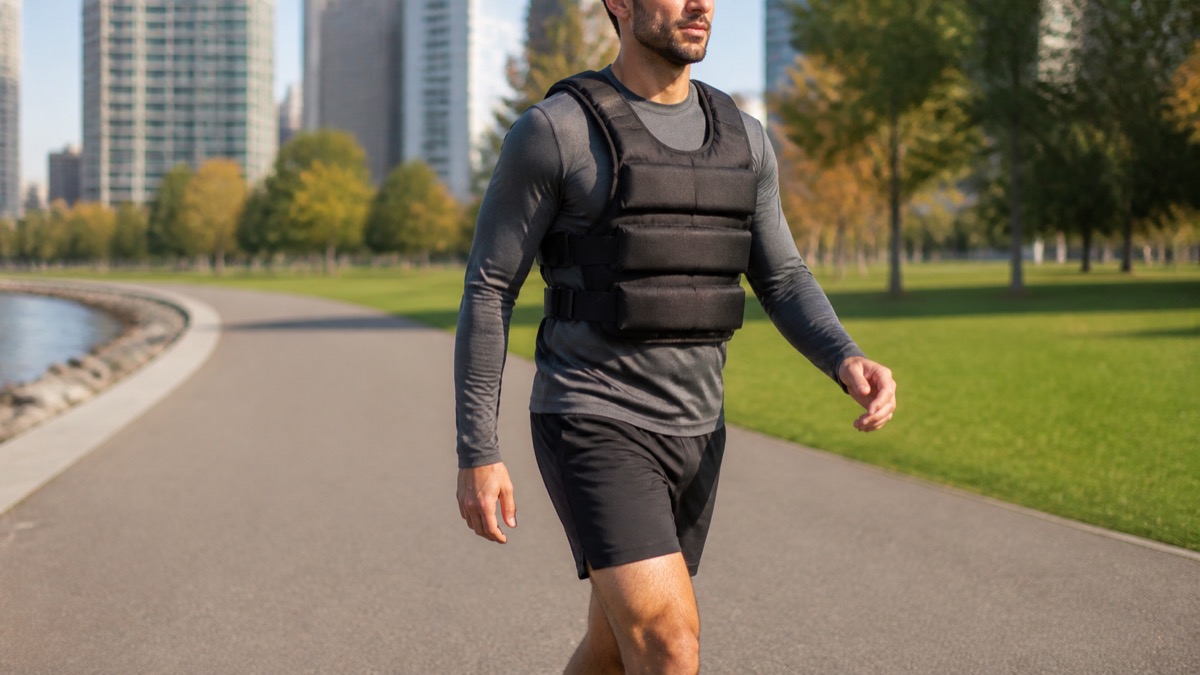
A backpack places most of its load behind you. A vest generally distributes it around your torso. Neither is automatically more comfortable, safer, or more effective for every person. Fit matters, and so does how the weight stays in place while you move.
| Option | Useful when | Check before starting |
|---|---|---|
| Ordinary walking | You are building a walking habit | Comfortable shoes and a manageable route |
| Backpack rucking | You want to carry a small load and keep hands free | Stable load, sound stitching, comfortable straps |
| Weighted vest walking | You prefer weight around your torso | Breathing room, secure fit, adjustable loading |
If you already own a suitable backpack, you can explore the idea before buying specialist equipment. If you prefer a vest, our weighted-vest walking guide covers that separate approach. Avoid combining both simply because your shopping cart made an enthusiastic suggestion.
How much weight should a beginner carry?
There is no single starting weight that suits every beginner. Body size alone does not describe walking experience, joint comfort, balance, injury history, or the pack itself. A percentage-of-bodyweight rule can look reassuringly scientific while still being wrong for the person using it.
First, walk your chosen route with the empty pack. Check for rubbing, slipping, or an awkward posture. On another outing, add a small, securely packed load only if the empty-pack walk was comfortable. You should still be able to walk normally and talk comfortably. If the load makes you lean markedly forward, shorten your stride unnaturally, or brace your shoulders continuously, reduce it.
Someone returning after a long break can stay with unweighted walking. That is useful exercise, not a failed audition. If you have back or joint problems, balance difficulties, a recent injury, or a medical condition that affects exercise, discuss loaded walking with an appropriate clinician before experimenting.
Your practical equipment checklist
A backpack that stays put
Look for intact stitching, comfortable shoulder straps, and a shape that fits your torso. A load that swings around makes every step less predictable. Adjust both straps so the pack sits comfortably rather than hanging low. A sternum strap can help on some packs, but it should not squeeze your breathing.
Purpose-built rucksacks can offer dedicated weight compartments and tougher construction. Those features may matter once you know you enjoy the activity. They are not a prerequisite for testing an easy walk. Follow the bag manufacturer’s load limits; a thin fashion backpack and a training pack are not interchangeable.
A secure, modest load
Avoid loose metal objects, sharp edges, and items that can break. Keep the contents stable and close to your body using the pack’s intended compartments. If you cannot secure the load without pressure points, change the setup or return to an empty pack. A bouncing weight is not bonus core training.
Shoes, socks, and a sensible route
Choose shoes you already find comfortable for walking. This is a poor moment to introduce stiff new footwear and a longer route simultaneously. Wear socks that stay in place and check early hot spots before they become blisters. Start somewhere flat, familiar, and easy to shorten if needed.
How to walk with a loaded backpack
Think tall and relaxed rather than rigid. Look ahead, allow your arms to move naturally, and keep your steps comfortable. Your posture does not need to resemble a statue. It should look broadly like your normal walking pattern, with no need to fight the pack on every step.
Begin slowly and reassess after a few minutes. Can you speak in full sentences? Are the straps comfortable? Does either foot feel different? If something is off, stop and adjust. Do not wait until the end of the route to discover that a buckle has been staging a protest against your shoulder.
Keep breathing freely. A walk can feel more demanding without becoming a breathless effort. For general moderate-intensity exercise, the talk test is a practical guide: you can talk but would find singing difficult. You do not have to force every ruck into a specific heart-rate zone.
A flexible four-week rucking plan
This example assumes you already tolerate an ordinary walk of similar length. Use it as a menu, not a deadline. Repeat a week, shorten sessions, or stay unweighted whenever necessary. Leave time between loaded outings to see how you feel later that day and the next morning.
| Week | Example schedule | Main goal |
|---|---|---|
| 1 | Two easy 10–15-minute walks with an empty pack | Check comfort and route |
| 2 | Two 10–15-minute walks; a small load only if comfortable | Learn how the pack feels |
| 3 | Two 15–20-minute walks at the same comfortable load | Build repeatability |
| 4 | Two 20-minute walks, or repeat week three | Review recovery before progressing |
Those durations are examples, not evidence-based minimums for rucking results. Your starting point may be shorter. You can also alternate a brief loaded section with unweighted walking if the bag can be safely unloaded. The useful outcome is a tolerable routine you understand.
Change one variable at a time. If you extend the walk, keep the load and pace steady. If you later add a little load, shorten the outing initially. Hills count as a progression too. Adding weight, distance, and steep terrain together makes it difficult to know what caused a problem.
How to fit rucking around gym workouts
Put early rucks on days when your legs are reasonably fresh. A challenging leg workout can change how comfortable loaded walking feels the following day. You do not need to win the weekly exercise calendar by filling every square. Ordinary walking and rest can remain part of the plan.
If you train strength twice weekly, try one short ruck on a separate day and see how the whole week feels. Add another only when the routine is manageable. Our beginner gym workout plan can help structure strength sessions, but adjust total workload rather than simply stacking plans.
Rucking does not automatically replace a balanced strength program. Carrying a pack is different from progressively training pushing, pulling, squatting, and other movements. The CDC’s general adult guidance includes both aerobic activity and muscle-strengthening work. Think about your overall week rather than awarding one activity every job.
What benefits are realistic?
The immediate benefit may be surprisingly practical: you enjoy walking more when it has a little structure. It can also be a convenient way to make a familiar route feel different. A bag by the door creates less friction than a complicated setup that requires ten pieces of equipment.
Do not expect a guaranteed calorie number. Energy expenditure depends on many factors, and tracker estimates are not precise receipts. Likewise, sweeping promises about posture, bone density, or rapid fat loss need stronger support than a social-media before-and-after photo. Judge the activity first by comfort, consistency, and whether it supports your broader goals.
Five common beginner mistakes
Starting with someone else’s load. A friend’s comfortable pack may be too much for you. Their experience does not transfer through the shoulder straps. Choose your own starting point.
Ignoring pack fit. Repeated slipping, rubbing, and bouncing are information. Adjust equipment rather than assuming discomfort is a necessary entry fee.
Turning every outing into a test. Easy repeatable sessions are useful. Record what you did without trying to beat every number the next time.
Underestimating weather. Heat, humidity, and a loaded pack can make a familiar route feel harder. Choose cooler conditions, bring water as appropriate, and shorten the walk when conditions change.
Pushing through warning signs. Stop for sharp pain, dizziness, chest discomfort, unusual breathlessness, or numbness. Seek appropriate medical help for concerning symptoms. Removing weight is a sensible adjustment, not a character flaw.
Track the things that actually help
A simple note is enough: route, duration, pack load, comfort during the walk, and how you felt afterward. Add any rubbing or foot discomfort. These details are more useful for planning your next outing than a screenshot of a calorie estimate.
For example: “Twelve minutes, flat park loop, empty pack, comfortable shoulders, slight sock rubbing on the left heel.” That note gives you a clear next action: fix the sock issue before adding weight. A complicated dashboard might make the same decision look more impressive, but it would still be about the sock.
Frequently asked questions
Can I ruck every day?
You do not need to. Begin with occasional short outings and assess your response. Daily ordinary walking may fit your routine better while you adapt. Frequency should follow comfort and recovery, not an arbitrary streak.
Is rucking better than running?
They are different activities with different demands. The better choice depends on your preferences, capacity, and goals. You can also enjoy both at appropriate amounts. There is no need to turn your neighborhood path into a debate stage.
Do I need an expensive rucksack?
Not necessarily for a modest trial, provided your pack is suitable and the load is secure. Specialist equipment becomes a more informed purchase after you understand your preferences and the manufacturer’s requirements.
What should I do after the first month?
Review your notes. If the routine feels comfortable, continue it or make one small adjustment. If you dread the pack, ordinary walking remains a good option. The best next month is the one you can sustain.
A simple first-outing checklist
Before leaving, tell yourself where the walk ends and how you will shorten it if necessary. Check that the pack closes securely, nothing presses into your back, and your phone or other essentials are accessible. Start near home rather than at the far end of an unfamiliar trail. Afterward, check your shoulders and feet and write down one adjustment for next time. If the outing was comfortable, repeating it is a perfectly reasonable next step. You are gathering useful experience, not trying to qualify for an event. A routine that stays enjoyable is easier to keep when the initial excitement fades and the weather becomes less cooperative.
Your next walk
Choose a short familiar route, check your backpack, and keep the first outing easy. You are building experience before intensity. Let comfort and consistency decide the next step; the internet can carry its own backpack.
Sources and editorial notes
Trend context: Forbes reporting on weighted walking. General activity guidance: CDC adult activity overview. Equipment context: GORUCK’s introduction, a commercial source. The example schedule is GymTopper editorial guidance, not a clinical protocol. Images are illustrative.
Keep learning: Zone 2 cardio plan offer practical next steps on this topic.
Leave a Reply